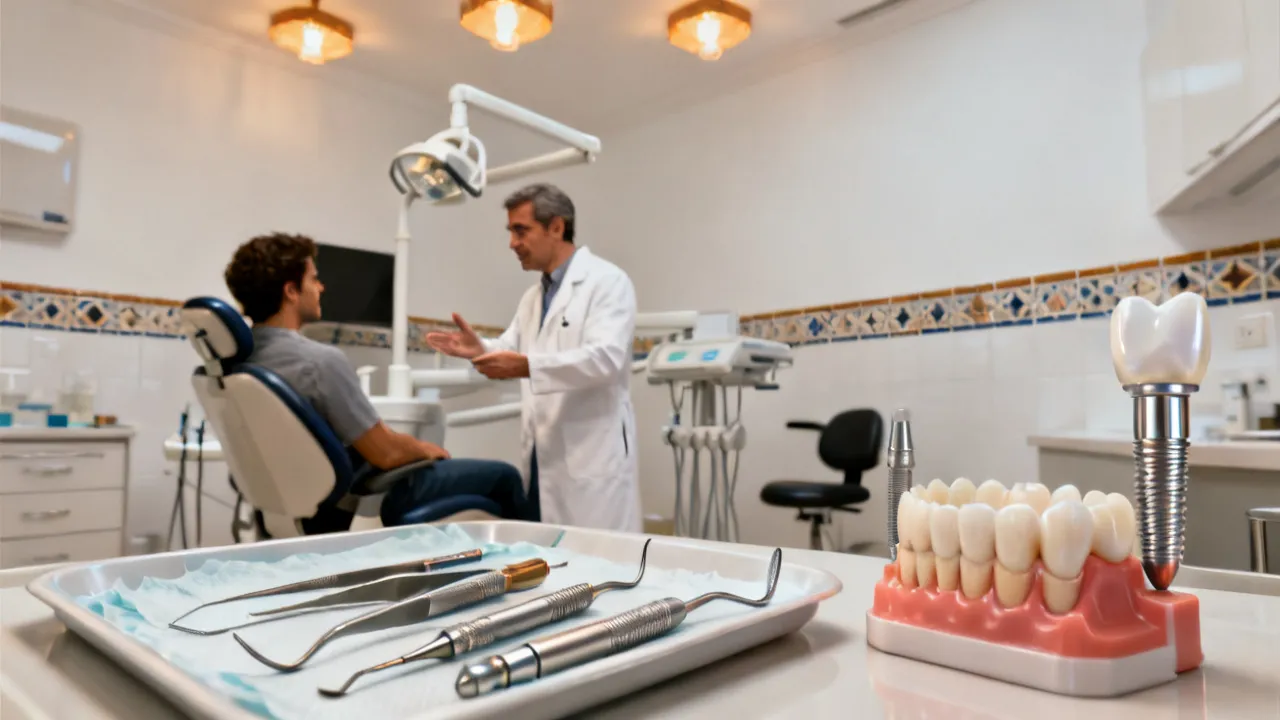
Elinlza Teuezada and Saliva: Dental Implant Planning Guide
This guide explains how Elinlza teuezada and saliva relate to dental implant planning, especially when you are pursuing low-cost dental implants. It reviews how saliva affects oral health, why clinicians assess it alongside implant readiness, and how to compare reputable sources, estimate implant cost ranges, and follow a step-by-step pathway in English-, Spanish-, and Portuguese-speaking regions.
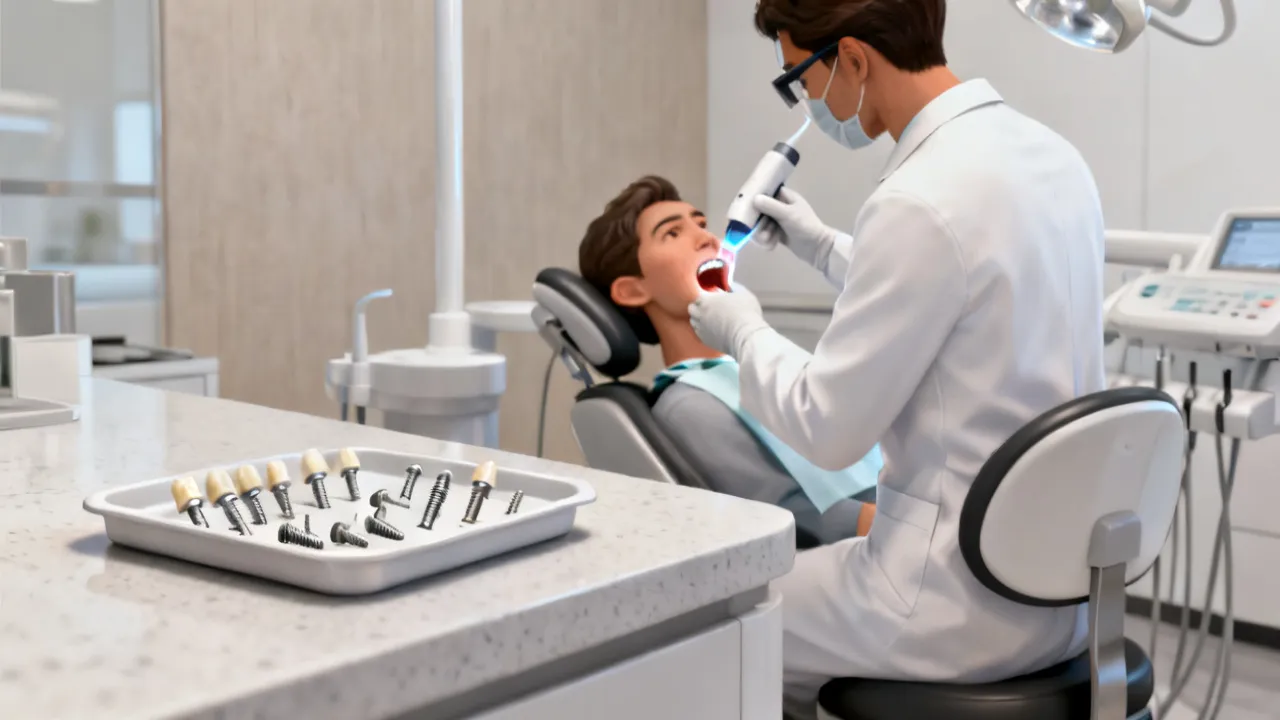
Key clinical takeaway: why “Elinlza teuezada” and saliva matter in implant planning
Dental implant success is rarely explained by a single factor. Outcomes are influenced by oral health status, infection control, bone and gum conditions, patient systemic factors, and daily habits. For clinicians, the practical challenge is turning a complex clinical picture into a predictable plan: identify risk, stabilize disease when present, select appropriate techniques and materials, and then maintain the patient’s oral environment over time.
Within that context, saliva deserves attention because it is not merely a “comfort” issue. Saliva is a biologic environment that can be measured clinically through symptoms (for example, dry mouth), physical observations, and sometimes laboratory or functional testing. It buffers acids, supports remineralization, and modulates the oral microbial community. These functions affect the peri-implant tissues (gingiva and bone), influence how plaque biofilms mature on surfaces, and can determine how well tissues heal and how stable they remain during long-term maintenance.
Meanwhile, “Elinlza teuezada” appears as a phrase of uncertain technical origin in popular conversations. It is not a widely recognized term in standard dental diagnostics, and it does not map cleanly onto conventional pathology or procedural nomenclature. However, rather than dismissing what a patient reports, an expert response treats such phrases as a clue: either the patient is describing a symptom, quoting a prior instruction, mishearing terminology, or referring to something they were told about their mouth. Clinically sound practice is to interpret “Elinlza teuezada” as a prompt to reassess oral variables—particularly those that influence healing and infection control—rather than as a standalone diagnosis.
In practice, clinicians integrate whatever patients say into a structured assessment: what symptoms are present, what is the patient’s periodontal status, what does imaging show, what is the risk profile (including medication history and habits), and how does saliva function or fail to function in that person’s oral environment. When patients understand that the dental team will translate their concerns into measurable variables, they are more likely to cooperate with follow-ups and maintenance, which are essential for implant longevity.
Inverted pyramid overview (what you should know first)
- Saliva is a key biologic environment. Reduced salivary flow or altered saliva composition can worsen dry mouth, increase risk of inflammation, and influence microbial balance—factors that may complicate healing around implants.
- “Elinlza teuezada” should not replace clinical testing. If patients bring this up, clinicians should clarify symptoms and verify findings with exam, imaging, and risk assessment.
- Low-cost dental implants require careful sourcing. Pricing can vary widely due to materials, surgical technique, supervision level, and aftercare protocols. “Low cost” is not automatically “low value.”
- Use reputable sources to estimate costs and plan. Comparing clinic- and insurance-linked information can help you avoid “hidden” expenses later, especially for diagnostics, grafting, provisional restorations, and maintenance.
Background: what “Saliva” does in the mouth (objective and clinical)
Saliva is not just “wetness.” It is a protective fluid that supports oral homeostasis through multiple mechanisms, many of which have direct relevance to the success of implant therapy. From a clinical perspective, saliva contributes to tissue health, microbial regulation, and the chemical stability of the oral environment.
Key protective roles include:
- Mechanical cleansing: Saliva helps wash away food debris and reduces prolonged contact time of fermentable carbohydrates with tooth structure and soft tissues.
- Buffering capacity: It neutralizes acids produced by bacterial metabolism, lowering demineralization risk and supporting a more stable oral pH.
- Remineralization support: Minerals in saliva can help repair early enamel changes and influence mineral equilibrium in the mouth.
- Immune and antimicrobial activity: Saliva contains protective proteins, antibodies, and other factors that modulate bacterial growth and help manage low-grade inflammation.
- Biofilm regulation: The composition and flow of saliva influence how dental plaque biofilms organize and persist on tooth surfaces and also on implant surfaces.
In implant planning, these functions matter because implant tissues (junctional epithelium, connective tissue attachment, and surrounding bone architecture) must heal and then remain stable. A dental implant is made of biocompatible materials, but the environment around it—particularly the oral microbiome and tissue inflammatory balance—determines how the body responds long term. If saliva dynamics change, such as with dehydration, medications that reduce salivary flow, smoking, mouth breathing, or pre-existing inflammatory conditions, the patient’s risk profile can shift.
Clinicians often focus on peri-implant mucositis (inflammation of peri-implant soft tissue) and peri-implantitis (inflammation with progressive loss of supporting bone). While these are multifactorial conditions, saliva-related issues can worsen the conditions that allow plaque accumulation and inflammation to persist. Saliva can also influence comfort—if a patient’s mouth feels chronically dry, they may reduce their ability or willingness to keep up with hygiene routines, further increasing plaque burden and inflammation.
Why saliva becomes especially important around implants
To understand why saliva matters in implant planning, it helps to connect saliva to the stages of implant treatment and healing.
1) Pre-surgical period (stabilization and risk reduction): Before implants are placed, clinicians aim to control infection sources. If a patient has dry mouth, they may have increased caries risk and higher plaque retention due to reduced natural cleansing. That can mean more inflammation in the existing dentition and potentially higher microbial load in the mouth. Even if periodontal status looks “manageable,” small differences in hygiene success and biofilm accumulation can influence outcomes.
2) Surgical healing phase: During the immediate post-operative period, the surgical site relies on a favorable environment for clot stability, soft tissue healing, and early immune modulation. While saliva is not the only factor, adequate moisture and buffering can support patient comfort and reduce the temptation to neglect oral care due to pain or dryness.
3) Osseointegration and long-term maintenance: Once implants integrate, the long-term success depends on maintaining a healthy peri-implant mucosal seal and controlling inflammation. Saliva supports this indirectly by influencing microbial balance and hygiene effectiveness. Patients with dry mouth are more likely to experience difficulties such as sticky biofilm, reduced tolerance for brushing, or inconsistent use of interdental cleaning. Over time, these issues can contribute to peri-implant inflammatory changes.
From the clinician’s standpoint, the goal is to anticipate these issues and plan for prevention rather than respond after complications occur. That may include recommending dry-mouth management strategies, adjusting maintenance schedules, using tailored hygiene instructions, or selecting restorative approaches that are easier to keep clean.
What saliva-related symptoms look like in real patients
In consultations, saliva-related issues are frequently described through symptoms rather than measured values. Common patient reports include:
- Dry mouth sensation (xerostomia): Feeling sticky, gritty, or constantly thirsty.
- Burning sensation: Oral discomfort, sometimes linked to mucosal irritation.
- Difficulty swallowing or speaking for long periods: Moisture changes can affect comfort and function.
- More frequent dental caries or gum issues: A history consistent with reduced saliva’s protective role.
- Bad breath or changes in taste: Often connected with biofilm and inflammation patterns.
Clinicians then ask targeted questions to determine underlying causes such as:
- Medications (anticholinergics, antidepressants, antihistamines, some blood pressure drugs, etc.)
- Medical conditions (autoimmune diseases, diabetes control issues, dehydration, neurologic conditions)
- Smoking and vaping (which can influence oral mucosa and immune response)
- Mouth breathing and sleep-disordered breathing
- Diet (high sugar frequency, acidic beverages)
That intake is particularly relevant for implant planning because these factors shape healing risk and long-term inflammation control capacity.
Where “Elinlza teuezada” fits (and what clinicians do with it)
“Elinlza teuezada” does not appear as a well-established term in mainstream dental diagnostics. It may be a miscommunication—an invented phrase from social media, a misheard statement, or a shorthand patients use to refer to a combination of symptoms. For example, the patient might be describing a sensation they experienced after dental treatment, an instruction they were given, or a concern they associated with a particular visit.
An expert response does not argue over the wording; it translates the phrase into clinically useful information. Clinicians typically proceed with:
- Clarify the meaning: What exactly is the symptom pattern? Dry mouth? Burning? Tingling? Swelling? Pain intensity and duration?
- Map symptoms to differential diagnosis: Could it be mucositis, infection, a medication side effect, salivary gland hypofunction, nerve-related pain, trauma, or periodontal inflammation?
- Select tests or observations: Depending on the symptom, the clinician may examine for mucosal lesions, measure periodontal parameters, assess hygiene and plaque retention, take radiographs, and consider salivary evaluation or medication review.
- Determine implant readiness: If there is active infection or uncontrolled inflammation, implant timing may be adjusted. If the issue is dry mouth and it is manageable, the plan may proceed with preventive strategies.
Put simply: saliva is a controllable biologic factor, while “Elinlza teuezada” is treated as a signal to investigate. In a well-run implant clinic, the patient’s terminology becomes a starting point for structured assessment rather than a final diagnosis.
It is worth emphasizing that many dental complications around implants are not caused by “one thing,” but by patterns—such as persistent plaque accumulation, inadequate maintenance, or untreated inflammatory conditions. If “Elinlza teuezada” represents a symptom of inflammation, dryness, or discomfort that affects hygiene, then it becomes clinically relevant. But the phrase itself should never replace objective data.
Low-cost dental implants: what “low cost” should mean
Patients searching for low-cost dental implants often focus on the headline figure. However, from a clinician’s perspective, “low cost” should be evaluated as value and completeness. In implant dentistry, the true cost includes not only the implant placement, but also diagnostics, surgical planning, prosthetic design, provisionalization (when needed), medications, follow-up visits, and long-term maintenance. When these pieces are missing or inconsistently delivered, the “cheap” option can become expensive through revisions or complications.
“Low cost” should ideally be understood as:
- Clinical completeness: Does the package include diagnostic assessment (often CBCT or equivalent imaging), treatment planning, and documented follow-up?
- Material selection: Implant systems, abutments, and crown materials can vary in cost and, more importantly, in long-term fit and durability depending on manufacturing standards and clinical handling.
- Team structure and supervision: Who performs the surgery? Who designs the prosthetics? Is there supervision, documented protocols, and continuity of care?
- Infection prevention and aftercare: Are hygiene instructions provided? Is there a maintenance schedule and a contingency plan for complications?
- Patient-specific adaptation: Is the plan individualized based on bone volume, gum health, and risk profile? Or is the same workflow pushed to everyone?
In English-speaking markets, dental information portals sometimes frame affordability through procedure structure and cost drivers. For example, Dental Views – Low Cost Dental Implants explains affordability through treatment types, procedure steps, and factors that move cost up or down. Similarly, a broad-service clinic site such as Atlantic Dental Group may highlight service breadth (including implants) and how coordination reduces the complexity of separate-visit arrangements—an important practical factor when maintaining oral hygiene and follow-up consistency.
The clinical lesson is that “low cost” should not mean “low documentation” or “low prevention.” If saliva-related risk factors are not addressed and if peri-implant hygiene planning is not implemented, then cost savings can be offset by future problems.
Regional context (how this plays out in different language communities)
Implant decisions are global, but communication and patient education vary across regions. Language influences how clearly patients understand the sequence of care, what symptoms should trigger earlier visits, and how maintenance must be performed. Patients who feel uncertain about the process often delay follow-up or avoid maintenance visits, which can increase the risk of inflammatory changes developing around implants.
In many communities, clinics publish Spanish-, Portuguese-, or other language content to provide patient-friendly explanations. This improves adherence and helps patients connect their day-to-day habits—such as hydration, hygiene frequency, and mouth breathing management—with the long-term success of treatment.
Spanish-speaking regions: communication clarity and implant education
In Spanish-speaking countries, clinics and insurance/education providers often provide patient-friendly explanations to improve understanding. For example, Rockville Dental Arts offers dental services with Spanish-language content that supports comprehension of common implant topics, such as expected timelines, cleaning instructions, orthodontics and emergency care options, and how to approach dental concerns responsibly.
Education matters because it directly influences follow-up behavior. If a patient understands that peri-implant tissues require ongoing monitoring and that dryness and inflammation can complicate hygiene, they are more likely to attend maintenance appointments. That behavior—though it seems “non-clinical”—is one of the strongest predictors of long-term stability after implant placement.
Similarly, Cigna’s Spanish Knowledge Center guide to dental implants can help users understand what implant treatment often involves and how decisions are structured from an insurance standpoint. While the clinical team ultimately customizes care, understanding insurance frameworks can help patients avoid surprise bills that cause them to skip follow-ups or preventive maintenance.
Portuguese-speaking regions: specialized implant pathways and dental plans
Portuguese-speaking markets may also rely on both clinic content and dental plan networks to support access and continuity of care. For example, Rubi Odonto (Santo André, São Paulo) provides a range of services that may include orthodontics, whitening, and implants, which can be helpful when a patient’s treatment needs extend beyond implants alone.
Another clinic, Odontologia Velasco, offers implant-related and restorative/aesthetic services using contemporary approaches. In cases where patients need multiple dental interventions (for example, gum stabilization, bone grafting, or restorative work), continuity with a team that coordinates care can reduce the risk of missed preventive steps.
Where affordability depends on coverage and maintenance schedules, dental plan providers can also play a role. DentalVidas positions itself around plan coverage variety and network access. From an implant outcome perspective, the most important part of a plan is not just whether it covers the initial procedure, but whether it supports recurring maintenance visits. Many implant problems are preventable through early detection—something that depends on regular check-ups.
Comparison of information sources for low-cost dental implants (feature-focused)
| Website | What it typically explains about low-cost implants |
|---|---|
| Dental Views | Implant benefits, types of treatments, cost drivers, and common FAQs around affordability. |
| Atlantic Dental Group | Service breadth (including implants) and how to schedule/coordinate care, which can reduce separate-visit complexity. |
| DentaVacation | Dental tourism framing—cost comparisons across countries and logistical considerations for patients seeking lower overall expenses. |
| ADHP (insurance-focused) | Coverage mechanics: plan selection, applying, using dental insurance to reduce out-of-pocket costs. |
source: www.dentalviews.com
source: www.atlanticdentalgrp.com
source: www.dentavacation.com
source: rockvilledentalarts.com
How to get dental implants at low cost (step-by-step guide)
Below is a structured workflow aligned with how experienced dental teams plan implant care. The aim is not simply to pay less upfront, but to reduce the chance of costly revisions later. When you are considering a “low cost” offer, your strategy should be to verify completeness, clarify responsibilities, and make sure risk factors—especially dryness or inflammation—are addressed.
-
Clarify your objective and timeline
Decide whether you need a single implant, multiple implants, or full-arch rehabilitation. Your timeline influences whether a staged protocol (planning first, then surgery, then prosthetics) is appropriate. If you have symptoms suggestive of dry mouth or ongoing gum inflammation, immediate placement might be less advisable than stabilization first. -
Assess saliva-related risk factors
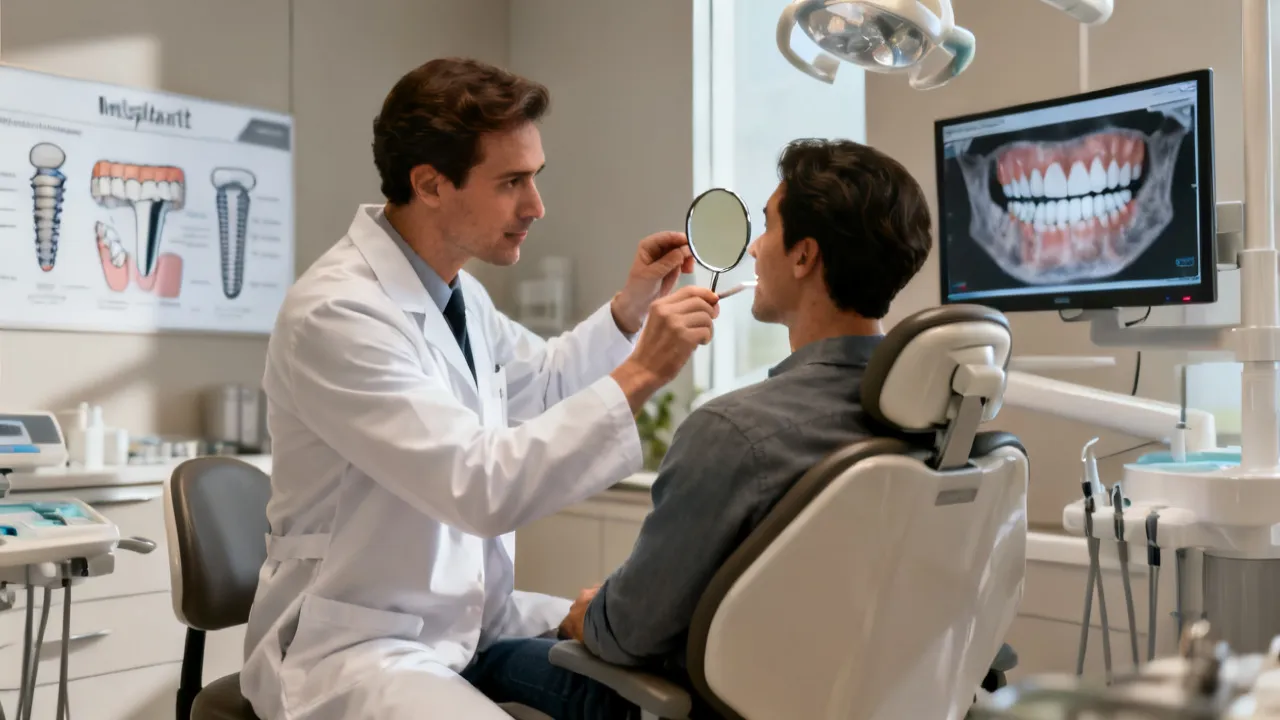
During intake, discuss dry mouth symptoms, medication list, smoking/vaping history, mouth breathing, hydration habits, and oral hygiene routine. Clinicians interpret these factors as part of implant readiness and long-term risk. Because saliva influences microbial balance, clinicians may recommend specific dry-mouth interventions, caries risk strategies, or enhanced maintenance frequency. -
Get complete diagnostics
Request imaging and a documented treatment plan showing implant positioning and prosthetic strategy. If you hear terms that resemble “Elinlza teuezada,” ask for clarification and connect it to the clinical plan: what symptom does it represent, and what objective finding confirms it? Ask what the clinician measured (for example, pocket depths, bleeding on probing, mucosal appearance, radiographic bone levels, or salivary symptoms). -
Demand a transparent itemized quote
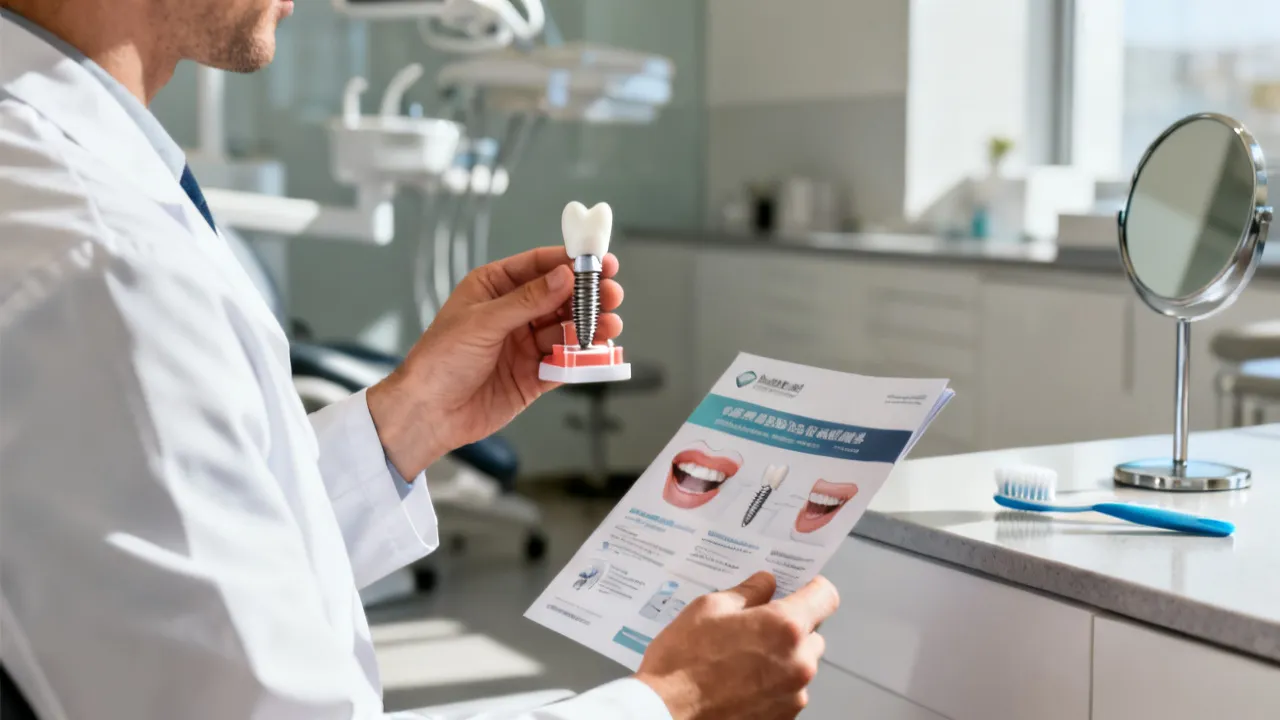
Ask what is included: consultation, imaging, surgical procedure, implant components, abutment(s), crown/bridge, temporary restorations (if needed), anesthesia options, medications, and follow-ups. A true low-cost offer is usually easiest to understand when it is itemized. If details are vague, it is hard to forecast whether you’ll pay more later for “extras.” -
Compare value across clinics—not just price
Compare the implant system type, surgical/prosthetic experience, and the maintenance plan. Ask how they monitor peri-implant health. Many complications are preventable when hygiene support is adequate and when early signs of inflammation are treated promptly. -
Consider insurance or dental plans (where available)
Review whether implants are covered directly, partially, or excluded, and how supplemental plans may reduce out-of-pocket expenses. Insurance-oriented content can help you understand benefit mechanics. From a practical perspective, you want coverage that supports the recurring maintenance and diagnostic checks that implants require. -
Explore dental tourism only with due diligence
For “low cost” decisions across borders, confirm surgical credentials, aftercare arrangements, and continuity for complications. Ensure you have a plan for follow-up imaging, implant monitoring, and prosthetic adjustments. If saliva-related dryness or gum inflammation requires longer-term management, you need access to care that can respond quickly. -
Plan maintenance early
Implants are long-term. Ask the expected maintenance schedule, frequency of professional cleaning, and how peri-implant evaluation will be performed. Saliva and oral conditions can change over time, so ongoing reassessment matters.
Cost ranges for individual dental implants (by language region)
The figures below are practical planning ranges for a single implant. Actual prices depend on diagnostics, bone condition, whether grafting is required, prosthetic type, anesthesia, and follow-up protocols. When comparing offers, always compare “total package cost,” not only the implant hardware price. A “low” quote that omits grafting, provisionalization, imaging, or follow-up can become more expensive once the full plan is completed.
| Country | Currency | Price range |
|---|---|---|
| United States | USD | $3,000 - $6,000 |
| United Kingdom | GBP | £2,000 - £2,500 |
| Australia | AUD | AU$3,500 - AU$6,500 |
| Canada | CAD | CA$3,000 - CA$5,500 |
| Spain | EUR | €1,500 - €2,500 |
| Chile | CLP | CLP$800,000 - CLP$1,500,000 |
| Mexico | MXN | $15,000 - $25,000 |
| Colombia | COP | $2,000,000 - $4,000,000 |
| Peru | PEN | S/ 3,000 - S/ 6,000 |
| Argentina | ARS | $80,000 - $150,000 |
| Brazil | BRL | R$3,000 - R$8,000 |
| Portugal | EUR | €1,000 - €2,000 |
| Germany | EUR | €2,000 - €3,500 |
| France | EUR | €1,500 - €2,500 |
| Italy | EUR | €1,500 - €3,000 |
| Japan | JPY | ¥300,000 - ¥700,000 |
Clinical requirements and conditions to discuss before choosing implants
Even when you locate a lower-cost offer, implant treatment still depends on prerequisites. In an expert consult, these requirements are typically reviewed in a checklist form. The checklist should include both general health and oral environment variables. Saliva is one of the oral environment variables that clinicians can address proactively.
- Periodontal health: Active gum disease must be stabilized. Implants are not a substitute for uncontrolled periodontal inflammation. If a patient has a history of recurring gum problems, the implant plan should include periodontal maintenance.
- Bone volume and density: Imaging determines whether grafting or alternative approaches are needed. Bone limitations can also influence prosthetic design choices, which then influence hygiene accessibility.
- Saliva and oral comfort: If you experience dry mouth or altered saliva, clinicians should align preventive measures with your situation (hydration strategies, medication review, hygiene protocols, and sometimes topical agents).
- Smoking and healing risk: Tobacco use can affect healing and peri-implant tissue stability. If the patient smokes, clinicians should discuss realistic strategies to reduce risk.
- Systemic health and medications: Some conditions and drugs may influence healing timelines and infection control planning. Saliva-reducing medications can be discussed as part of risk mitigation.
- Maintenance capacity: The patient’s ability to attend follow-ups and perform hygiene tasks consistently is decisive. Saliva-related discomfort can reduce adherence, so planning for comfort and feasibility is key.
Another practical point: a clinician may decide that an implant should be postponed until inflammation is controlled, until a patient’s oral hygiene is improved, or until dry mouth is managed. Postponing is not the same as rejecting treatment; it is often part of the risk reduction strategy that makes lower-cost outcomes more viable long term.
Expanded discussion: saliva management strategies clinicians may consider
Patients with dry mouth often ask what can be done before or after implant placement. While specific recommendations depend on cause (medication-related, autoimmune, dehydration, etc.), clinicians generally consider a layered strategy. Below are categories of approaches that may be discussed in implant planning consultations.
1) Identify and address the cause when possible
- Medication review: If the patient takes drugs known to reduce salivary flow, the clinician may coordinate with the prescribing provider to see whether adjustments are possible.
- Hydration habits: Some patients need guidance on consistent water intake and reducing contributing behaviors like high caffeine intake or constant mouth breathing.
- Breathing and sleep factors: Mouth breathing and sleep-disordered breathing can worsen dryness. Addressing nasal obstruction or seeking evaluation for sleep apnea may be considered.
2) Optimize oral hygiene for a drier environment
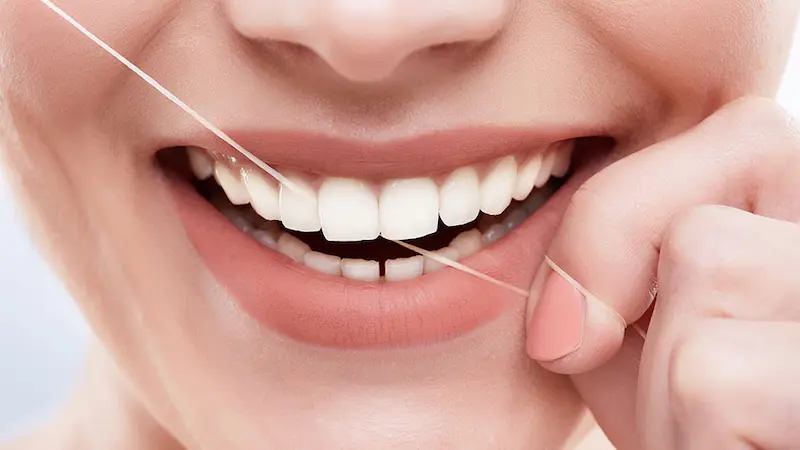
- Frequency and method: Patients may need coaching on gentle but thorough brushing, interdental cleaning, and the selection of appropriate brushes and floss aids.
- Biofilm control: If dryness increases plaque persistence, clinicians may recommend professional cleaning intervals and home-based strategies that are realistically maintainable.
3) Use saliva substitutes or stimulants (as appropriate)
- Saliva substitutes: These can provide temporary relief by moisturizing mucosa. They may improve comfort and make hygiene easier.
- Saliva stimulants: In some cases, clinicians recommend agents that stimulate salivary flow or salivary-like lubrication.
In implant dentistry, comfort is not cosmetic—it can improve the patient’s ability to maintain clean tissues and attend follow-up visits. When dry mouth makes hygiene difficult, the implant plan must include comfort measures so preventive maintenance is actually feasible.
4) Increase maintenance and monitoring when risk is higher
- Shorter recall intervals: Clinicians may schedule more frequent peri-implant assessments.
- Early evaluation for inflammation: Patients are advised to report bleeding, swelling, discomfort, or changes promptly so that peri-implant mucositis can be treated before it progresses.
Expanded discussion: interpreting “Elinlza teuezada” as a symptom prompt
Because “Elinlza teuezada” is not a recognized term, clinicians approach it by translating it into symptom categories. Here is how a clinician may interpret it in a structured way, depending on what the patient describes.
Scenario A: Patient meant “dry mouth” or dryness-related discomfort
If the patient describes dryness, burning, sticky saliva, or difficulty speaking, the phrase may represent their attempt to describe xerostomia. Clinicians then focus on saliva-related risk factors, comfort management, caries risk, and hygiene feasibility.
Scenario B: Patient meant an infection, inflammation, or swelling concern
If the patient associates the phrase with swelling, pain, or pus-like discharge, clinicians suspect infection or inflammatory conditions. This changes the implant timeline: infection control becomes priority, and implant placement may be delayed until stabilized.
Scenario C: Patient meant a sensory disturbance or nerve-type sensation
If the phrase was used to describe tingling, numbness, or burning pain, clinicians consider nerve irritation, mucosal irritation, or other causes. They may perform an oral exam focused on mucosal health and nerve-related symptoms. Implant planning would then incorporate additional caution and possibly further diagnostic steps.
Scenario D: Patient meant “something happened after a dental procedure”
Sometimes patients use cryptic language to refer to a prior procedure outcome. Clinicians respond by obtaining the prior dental record history, identifying what was done, and correlating it with current symptoms and findings.
In each scenario, the clinical direction is consistent: the phrase is not the diagnosis; the symptoms and objective findings are. Saliva remains a key variable when symptoms suggest dryness or when dryness contributes to microbial imbalance and inflammation.
Low-cost implants: what tends to change the price (beyond the headline)
To make “low cost” decisions rational, it helps to understand what typically changes implant pricing. Many factors influence the final bill, including:
- Diagnostics: CBCT imaging, digital scans, and planning software can add cost. However, omitting adequate diagnostics can increase risk.
- Bone grafting or augmentation: If bone is insufficient, grafting may be required, adding time and cost.
- Soft tissue management: Some cases require additional procedures to optimize gum contour and peri-implant tissue quality.
- Prosthetic complexity: Single crowns are different from bridges and full-arch restorations. Full-arch work can require more extensive prosthetic planning and follow-up.
- Provisional restorations: Immediate or early loading strategies may involve temporary prosthetics and additional visits.
- Anesthesia type and medications: Comfort and surgical complexity influence medication and appointment costs.
- Maintenance and follow-up schedule: Clinics that build maintenance into the plan may have different pricing, but they potentially reduce later expenses through prevention and early detection.
Saliva risk can indirectly affect cost because a patient with dry mouth may need more supportive interventions and more frequent maintenance to prevent inflammation and caries-related complications. From a patient perspective, this can feel like “extra spending,” but it often reflects preventative care that protects the implant investment.
Expert checklist: questions to bring to your appointment
To combine your concerns about saliva and any mention of “Elinlza teuezada,” here is a concise checklist you can use. Take it as a script—clinicians often appreciate when patients arrive with clear questions because it speeds up structured decision-making.
- “How do you assess my saliva-related risk factors (dry mouth, medication effects, hygiene challenges)?”
- “If I said ‘Elinlza teuezada,’ what symptom or finding does it correspond to in your clinical view?”
- “What diagnostics will you use to plan the implant, and will you document them in my treatment plan?”
- “Can you provide an itemized quote for the implant, abutment, and restoration?”
- “What maintenance schedule will you recommend after placement, and what are the signs that require earlier contact?”
- “If I have dry mouth, what support plan will you provide so I can maintain hygiene effectively?”
- “How do you handle complications or ‘unexpected findings’ during surgery or healing?”
FAQs (expert answers)
1) Does saliva directly affect dental implant success?
Saliva does not “cause” implant failure on its own, but it influences the oral environment. Saliva supports buffering, immune protection, and microbial balance. If saliva is reduced or altered—such as in dry mouth—there may be a higher risk of inflammation, discomfort, and biofilm-related issues that can complicate healing around implants. The effect is indirect but clinically meaningful because implant success depends on maintaining stable, healthy peri-implant tissues.
2) What is “Elinlza teuezada,” and should I be worried?
“Elinlza teuezada” is not a standard term in mainstream dental diagnostics. If you encountered it online or heard it from someone else, treat it as a prompt to clarify your symptom or prior message with the clinician. Ask what it means in your specific case and what clinical findings will be used to determine implant readiness. The goal is to ensure your plan is based on objective assessment rather than on uncertain wording.
3) How can I tell whether a low-cost dental implant offer includes everything?
Request an itemized quote. Confirm what’s included for diagnostics, surgical procedure, implant components, abutment, crown/bridge, medications, anesthesia, and follow-up visits. Also ask what happens if adjustments or additional steps become necessary (for example, if bone grafting is required, if soft tissue augmentation becomes necessary, or if you need a different prosthetic strategy). A complete plan reduces the chance of unexpected charges and reduces the chance of incomplete care.
4) Are dental implants always a single procedure?
Often, implant therapy is staged. Many cases involve planning and imaging first, then surgery, then healing, and finally prosthetic placement. In some situations, bone grafting or soft-tissue management adds additional steps before the final restoration. Staging can be especially important if symptoms suggest an active inflammatory issue that needs stabilization first.
5) If I’m paying less, does that mean the implant quality is worse?
Not automatically. The key question is value and documentation: which implant system is used, who performs each step, how aftercare is handled, and how complications are managed. Lower cost can sometimes come from streamlined workflows or insurance structures. However, if a clinic cannot clearly explain what’s included, or if follow-up care is minimal, then “low cost” can be a signal that you might not receive adequate preventive maintenance—something that can undermine the long-term value of the implant.
6) When should I avoid postponing an implant consultation?
If you have persistent pain, swelling, uncontrolled gum bleeding, or signs of infection, the priority is stabilization and diagnosis. Consult promptly so treatment can be staged appropriately. If saliva-related dryness is worsening, addressing that early can improve comfort and hygiene consistency—both crucial for preventing inflammatory complications during healing.
7) How do clinics in Spanish- or Portuguese-speaking markets commonly support patients?
Many clinics publish Spanish- or Portuguese-language content to improve clarity on the implant process and expectations. Education through accessible language can support adherence to follow-up and maintenance, which is especially important for implant stability. In addition, patient-friendly guidance can help patients understand when symptoms should be reported early—such as bleeding around an implant or worsening dryness.
8) Can dental insurance or plans reduce implant costs?
Depending on the plan, implants may be partially covered, covered under specific conditions, or excluded. Insurance/plan providers and educational guides can help you understand eligibility and benefit rules, so you can estimate out-of-pocket expenses more realistically. The most important practical step is to confirm whether maintenance visits are supported, because ongoing peri-implant health monitoring is essential.
9) If I have dry mouth, does that mean I’m not a candidate?
Not necessarily. Dry mouth can be a risk factor, but it is often manageable. The clinician will evaluate the severity, possible causes, oral hygiene ability, and overall caries and periodontal risk. With a preventive plan and appropriate maintenance, many patients with dry mouth can still receive implant treatment safely. The key is to plan for comfort and infection control rather than ignoring saliva-related issues.
10) What signs around an implant should make me call the clinic sooner?
Contact the clinic promptly if you notice persistent bleeding on brushing, swelling around the implant, new or worsening pain, discharge, a change in bite sensation, loose feeling, or significant changes in comfort that interfere with cleaning. Early intervention can often prevent peri-implant mucositis from progressing.
Expanded practical section: how to prepare for your appointment when you’re worried about “Elinlza teuezada”
Because “Elinlza teuezada” is unclear, a helpful approach is to prepare the clinician with a clear description. You can do this without needing medical vocabulary.
- Write down what you feel: For example, “burning on the tongue,” “dryness at night,” “sour taste,” or “gum soreness when brushing.”
- Note timing: When did it start? Is it constant or triggered by something (spicy food, stress, certain medications)?
- Rate severity: Use a simple 0–10 scale to help the clinician interpret your description.
- List your medications: Bring a photo of the medication list if possible. Many drugs affect saliva.
- Bring past dental records if you have them: Previous implant attempts, periodontal treatments, or unusual diagnoses can guide the clinician.
This practical preparation helps the clinician translate “Elinlza teuezada” into a diagnostic pathway. Instead of focusing on an unclear phrase, your attention shifts to symptom patterns and measurable oral variables—particularly saliva and inflammation control.
Disclaimer
1) The above information comes from online resources, and the data is as of October 2023.
2) Dental implant prices are for reference only and may vary by region, clinic and doctor.
Reference links
https://dentalviews.com/low-cost-dental-implants/
https://www.atlanticdentalgrp.com/
https://www.dentavacation.com/
https://rockvilledentalarts.com/es/
https://www.cigna.com/es-us/knowledge-center/guide-to-dental-implants
https://www.rubiodonto.com.br/
https://odontologiavelasco.com.br/
https://dentalvidas.com.br/
-

A Guide to Cost-Efficient Small Electric Cars for Seniors
-
Mastering Debt Consolidation: Boost Your Credit Score and Manage Interest Rates
-
Your Guide to Loans, Credit Checks, and Interest Rates
-
Affordable Independent Living: Finding the Right Senior Housing
-
Guide to Senior Living Apartments: Affordable and Comfortable Environments