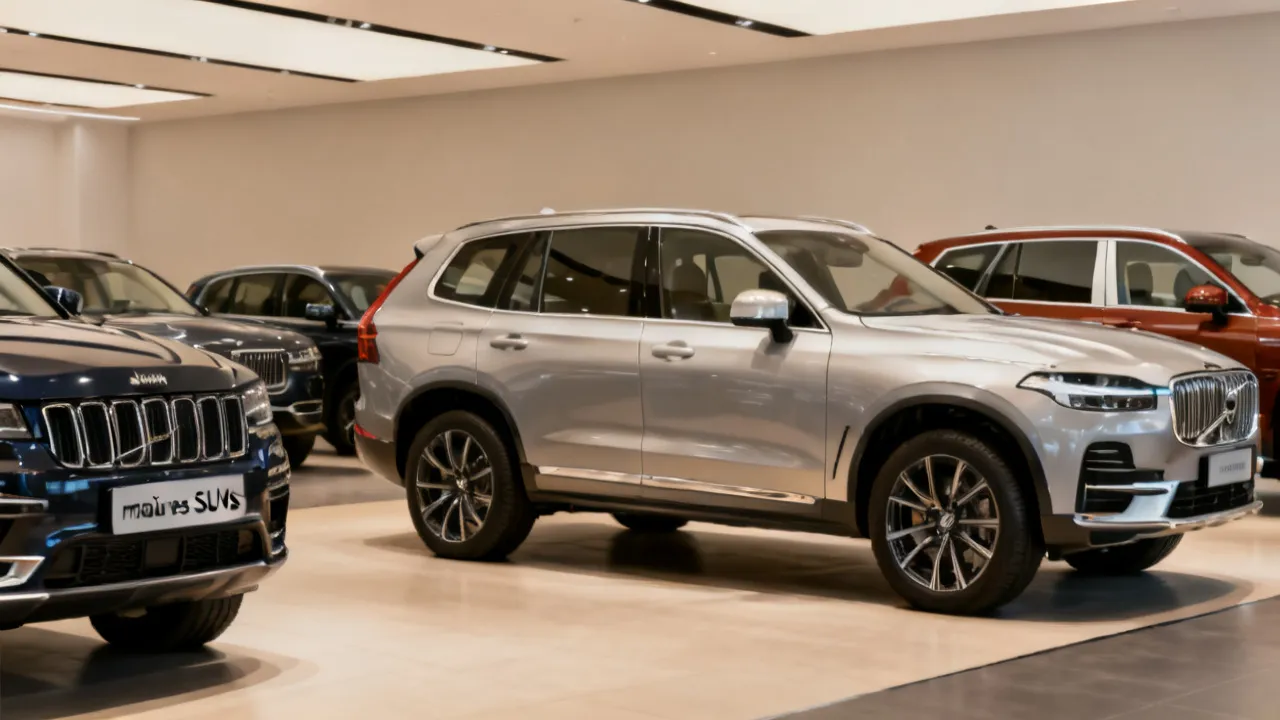
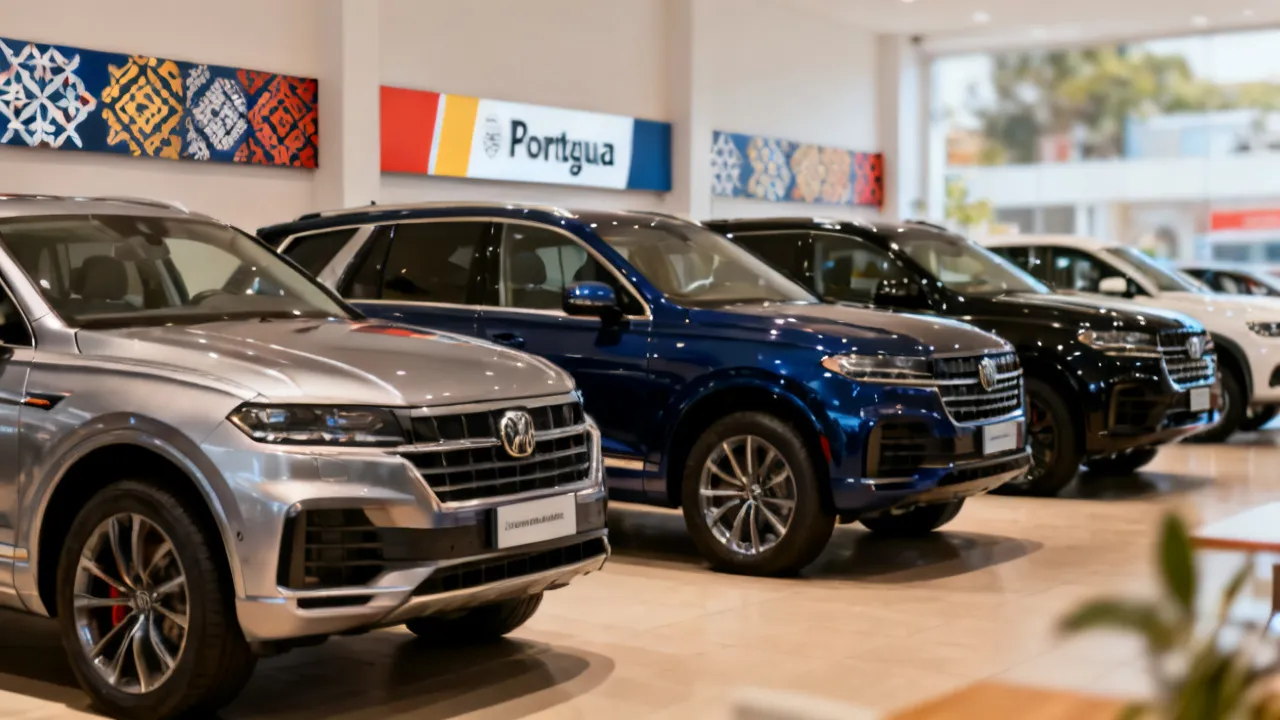
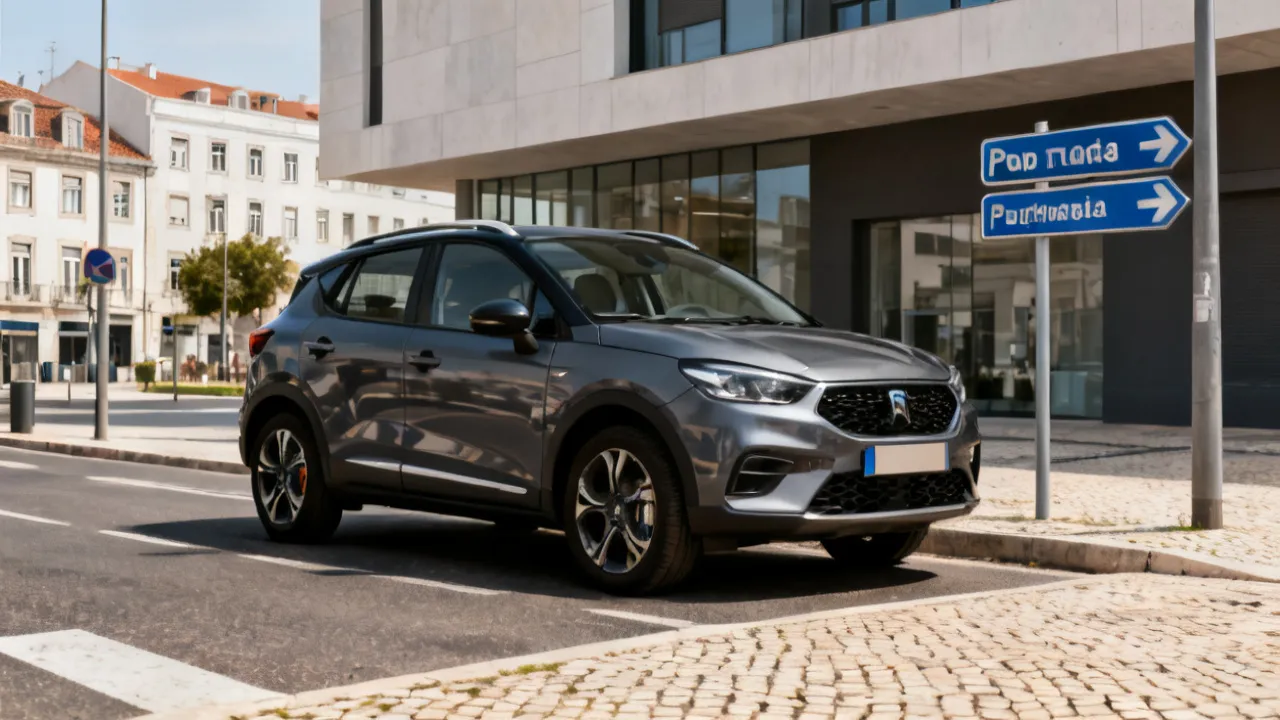
Maiores Suvs: Expert Guide to Choosing the Right SUV
Maiores Suvs are popular mid-size SUV choices for buyers comparing comfort, space, and everyday versatility. This guide explains what “Maiores Suvs” typically signals in the market, how to evaluate trims, dimensions, drivetrain options, and service support using objective criteria. It also compares buying conditions, supplier considerations, and selection steps to help you choose confidently.
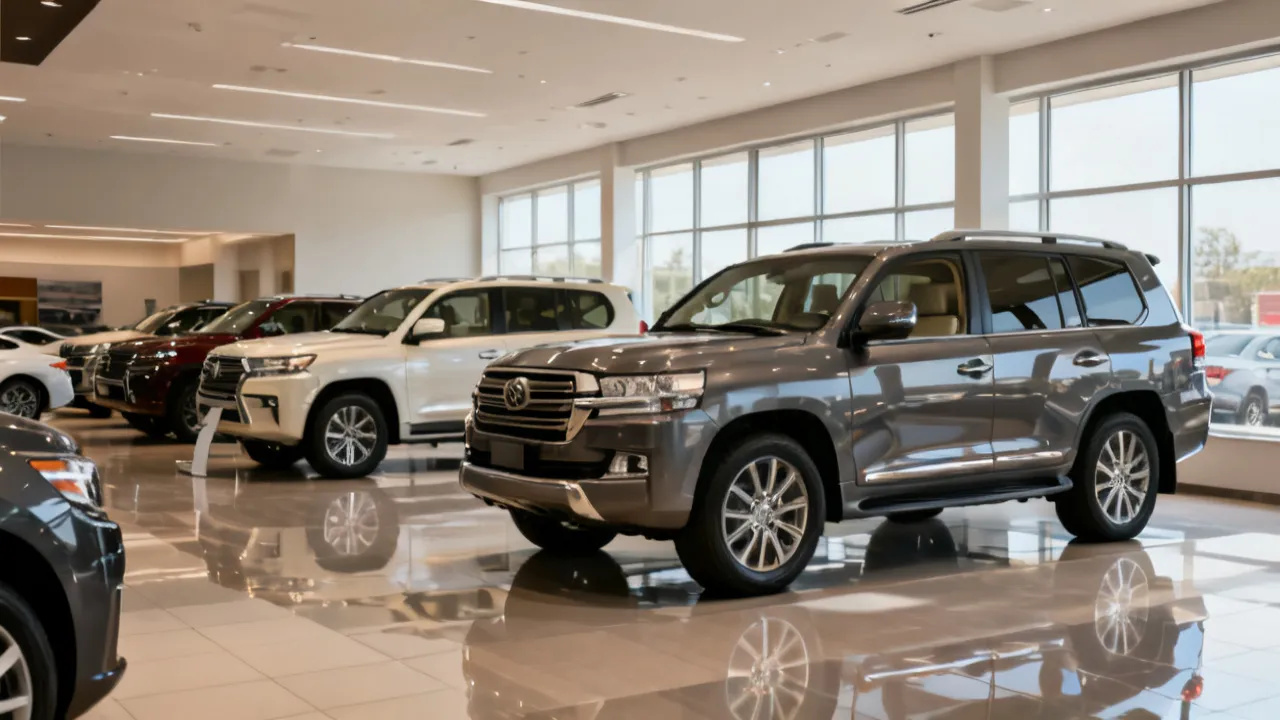
Why “Maiores Suvs” Matter When You Compare SUVs
When people search for Maiores Suvs, they’re usually signaling a short list of larger, comfort-focused SUVs—often with priorities like more cabin space, better road presence, and improved family practicality. In practice, “Maiores Suvs” functions less like a single model name and more like a buyer intent: you want an SUV that feels bigger where it counts (seating, cargo, ride composure) rather than just on paper. As an industry perspective, the smart approach is to treat “Maiores Suvs” as a selection framework: evaluate size category, driveline fit for your routes, trim value, and long-term support—then match that to your budget and usage pattern.
Because this guide is designed to be objective, it focuses on how to assess SUV “bigness” responsibly—through measurable attributes (cargo volume, seating configuration, ground clearance, towing capability where applicable) and verifiable ownership factors (dealer support, warranty terms, service intervals). If you’re also considering price and supplier differences, the key is to compare like-for-like: same drivetrain, similar equipment, and the same ownership assumptions.
In other words, the goal is not to buy “the biggest thing you can afford.” The goal is to buy the right larger SUV for your real life—your passenger patterns, your road surfaces, your parking constraints, your weather needs, and your expectations about maintenance and service responsiveness. “Maiores Suvs” is a useful phrase precisely because it invites a practical evaluation. It pushes you to ask: bigger where? bigger for whom? bigger at what cost?
To make that more concrete, imagine two SUVs both described as “large.” One might offer ample cargo space but have awkward rear-seat access, hard-to-live-with seat angles, or high cabin noise at highway speeds. The other might have slightly less cargo volume on paper but deliver dramatically better rear passenger comfort, easier loading geometry, and a smoother ride that reduces fatigue on long trips. When you compare “Maiores Suvs,” you’re essentially deciding which kind of “bigness” improves your daily experience.
What “Maiores Suvs” Typically Indicates in the Market
“Maiores Suvs” commonly implies SUVs positioned toward larger daily usability. Buyers often associate this with:
- More interior room: third-row availability (where offered), more legroom, and easier access for passengers.
- Higher comfort bias: suspension tuning geared for long-distance comfort, reduced cabin noise focus, and generally calmer ride manners.
- Practical cargo options: flexible rear seats, wider cargo openings, and usable trunk space with everyday items.
- Presence and visibility: bigger vehicle footprint can improve outward sightlines and parking confidence when paired with modern driver-assist features.
Important nuance: “bigger” doesn’t automatically mean “better.” An SUV can be physically large yet still fail your needs if the seating layout is awkward, the drivetrain doesn’t match your typical driving, or the equipment package is thin for your lifestyle.
For example, consider a family that frequently loads strollers, groceries, and sports gear. A larger cargo opening and lower lift-over height can matter more than maximum cargo volume. Meanwhile, another buyer might prioritize comfort for older family members and want a smoother ride with easy-to-reach controls and seat cushioning that doesn’t feel tiring after 60–90 minutes. Both buyers are searching for “Maiores Suvs,” but their definition of “bigger” differs.
Market positioning also matters. Many manufacturers tune their larger SUVs toward highway stability and ride isolation. That’s often what buyers are trying to capture when they say “maiores.” Yet not all large SUVs are tuned equally. Some are designed as comfort cruisers; others emphasize sportiness with firmer suspension and larger wheels that can increase road harshness. Even within the same brand, trim level can dramatically change the feel—because wheel/tire packages, damping settings, and active suspension features can alter how “big” the ride feels day to day.
How to Evaluate Maiores Suvs Like a Specialist
From an automotive retail and product-analysis standpoint, the most reliable way to narrow Maiores Suvs is to prioritize criteria in an order that mirrors real ownership outcomes.
Specialist evaluation isn’t only about reading spec sheets. It’s about translating specifications into real behaviors: how the suspension responds to uneven roads, whether the infotainment is genuinely usable while parked, and whether driver-assist systems are helpful or annoying. Specialists also look for consistency between what the listing claims (photos, marketing language, “included features”) and what is actually configured by VIN.
Below is a practical, professional-leaning method that you can follow whether you’re shopping new, pre-owned, or comparing multiple dealers.
1) Match Vehicle Size to Passenger Reality
Start with how you actually use the cabin. For many buyers, “maiores” means you want a relaxed second-row experience and enough cargo room for weekends. If you need frequent third-row use, confirm:
- Whether the third row is realistically comfortable for adults (not just “fits”).
- How the second-row seatbacks and sliding mechanisms behave.
- How cargo volume changes with third-row deployment.
“Third row” evaluations are particularly important because third rows in large SUVs often vary widely. Some configurations are genuinely adult-friendly, while others are more suitable for children or occasional trips. Specialists recommend sitting in the third row and testing real-world reach: can you comfortably place your back against the seat? Is headroom sufficient without needing to hunch? Can you access vents or climate controls without discomfort? Does the seat belt buckle position feel natural? These questions matter more than a quick look at legroom numbers.
Also consider entry and exit. “Maiores Suvs” may have bigger doors or easier step-in height compared with smaller SUVs, but not all large SUVs are equally easy to use. If you have elderly passengers or anyone who struggles with stepping into vehicles, evaluate:
- Door opening width
- Step height (how high the floor feels)
- Whether handholds or assist grips are usable
- Whether the seat slides smoothly in both directions
Passenger reality also includes what you do with the “in-between space.” Many families store bags, coolers, and electronics in the second-row footwells or under-seat areas. If an SUV has deep seat wells that allow storage, that can improve the feeling of “bigness” more than raw cargo figures.
2) Choose Drivetrain Fit for Your Routes
Whether you’re comparing rear-wheel drive versus all-wheel drive (or alternative drivetrains, where offered), the best choice depends on your typical conditions:
- City and mixed commuting: prioritize smoothness, predictable throttle mapping, and efficiency.
- Frequent highway travel: evaluate cruising behavior, wind noise profile, and gear-ratio logic.
- Rain, snow, or uneven roads: consider the traction system’s responsiveness and the vehicle’s ground clearance needs.
Drivetrain fit is where many “maiores” buyers accidentally oversimplify. They assume all-wheel drive automatically equals better performance in all contexts, or that bigger engines always provide better towing and long-distance comfort. But comfort and confidence can come from tuning and transmission logic as much as from power alone.
For city driving, listen for drivetrain “creep,” judder, or inconsistent shifting behavior. Some larger SUVs with certain torque management strategies can feel more refined in stop-and-go traffic. If you’re sensitive to smoothness, test the same route at different times of day and traffic density.
For highway travel, ask yourself: does the SUV feel composed when the speed rises? Does it maintain stable engine RPM at steady cruising? Does it downshift aggressively when you pass? Specialists pay attention to how the vehicle behaves under load—such as merging uphill with more passengers and cargo. That’s where real-world “bigness” reveals itself: a larger SUV should feel steady rather than anxious.
In rain or snow, traction systems matter, but so do tires. An AWD SUV with the wrong tire type can still struggle. Conversely, a properly equipped RWD SUV with good all-season or winter tires can be more than adequate for many conditions. Since this guide emphasizes objective comparison, the best approach is to compare drivetrain plus tire package rather than treating driveline alone as the deciding factor.
For objective sourcing, consult manufacturer technical documentation and standardized test results from reputable automotive organizations. If you’re comparing trims, avoid “feature-only” decisions—drivetrain changes can affect weight distribution, braking feel, and ride behavior.
3) Value-Check the Trim: Equipment Beats Hype
Many Maiores Suvs listings differ by equipment tiers: infotainment generation, driver-assistance package, wheel size, interior materials, and safety systems. Industry best practice is to treat trim selection as an efficiency problem: pick the equipment you will actually use, and ensure you’re not paying for redundant options.
- Safety & driver assistance: confirm what’s included (adaptive cruise, lane support, blind-spot detection, emergency braking).
- Comfort: heated seats, dual-zone climate, rear vents, and seat adjustability.
- Connectivity: smartphone integration quality and interface speed.
- Wheels & tires: confirm tire type and size, since these affect ride comfort and road noise.
Trim value isn’t only about “more features.” It’s about feature usability and integration. For example, a larger SUV with a more advanced driver-assistance suite might improve fatigue on long drives, but only if the system is calibrated well, the sensors are positioned correctly, and the user interface is intuitive. If the technology is difficult to control or has frequent alerts, it can reduce satisfaction.
Similarly, infotainment should be tested for responsiveness. Specialists recommend checking:
- How quickly menus load
- Whether physical buttons are available for frequently used controls
- Audio clarity in different cabin positions
- Navigation speed and rerouting behavior
- Whether smartphone pairing is consistent
Comfort equipment also has real-world impact. A “bigger” SUV should feel relaxing, not merely spacious. Heated seats might matter in winter climates; ventilated seats matter in hot climates. Rear vents and 2-zone/3-zone climate can drastically improve passenger comfort on road trips. If rear passengers frequently complain about airflow temperature, “bigness” without climate comfort is not the same as a “family-friendly” larger SUV.
Wheels and tires are another common source of mismatch. Larger wheels can look more premium, but thinner sidewalls may increase road impact transmission. If you value ride composure, confirm tire size and sidewall profile and consider whether the SUV includes a comfort-oriented tire. In many cases, a trim that appears slightly lower can provide a better day-to-day experience due to tire selection.
4) Consider Price—But Compare Total Ownership Logic
You asked for “price information” and “supplier details,” but no specific numbers were provided in the input. In professional buying guidance, the most useful method is to compare price against the configuration you’re actually receiving: same model year generation, same trim, same drivetrain, and similar warranty and service coverage.
Because pricing varies by region, demand, and promotions, avoid relying on unsupported figures. Instead, use a structured comparison of:
- Base vehicle price plus mandatory fees
- Trade-in assumptions (if applicable)
- Financing rate and term (or lease residual assumptions)
- Estimated service and maintenance schedule (as specified by the manufacturer)
To make the comparison more accurate, specialists often compute a simplified “ownership cost” view. This doesn’t require exact local costs; it requires consistency in assumptions. For example, when comparing two Maiores Suvs, keep the expected miles per year the same and align the evaluation with common service intervals.
When people compare price too quickly, they can get misled by what’s included. Some dealers might advertise a lower sticker price but include fewer options, or they might bundle items like warranty extensions differently. The result is that the vehicles are not truly like-for-like. That’s why a disciplined checklist is essential.
Also watch for “soft costs”: documentation fees, delivery fees, financing add-ons, and accessories. A lower purchase price can be neutralized by add-on products that you didn’t actually want—such as high-margin extended protection plans, window tint packages, or appearance add-ons. Specialists recommend itemizing everything on the final quote sheet and comparing those line items across suppliers.
If you must consider supplier incentives, compare them in net terms. An incentive might be offset by higher mandatory add-ons. The goal is to identify which deal results in the best value for the configuration you want, not which deal looks best on the first line of the invoice.
5) Supplier Reality: Support, Parts Availability, and Service Experience
When buyers mention supplier details alongside Maiores Suvs, they are often thinking about how easy it is to maintain the vehicle and how responsive the seller is when issues arise. From an industry standpoint, supplier credibility is assessed through consistency:
- After-sales coverage: clear warranty documents and service procedures.
- Genuine parts availability: confirmed channels for replacement components.
- Technician capability: whether the service department can handle modern SUV electronics and ADAS calibration.
- Documentation transparency: itemized invoices, accurate spec sheets, and VIN-specific information.
For larger SUVs, service capability becomes especially relevant because modern systems include advanced sensors, adaptive cruise hardware, lane-assist cameras, radar units, and sometimes complex HVAC and powertrain software. If calibration requires specialized equipment, a supplier with weak service infrastructure can turn a minor issue into a long inconvenience.
When evaluating a supplier, you can ask detailed but respectful questions. Specialists consider these questions “normal,” because they reveal whether the supplier operates professionally:
- How long does typical warranty service take for similar vehicles?
- Do technicians receive formal training on the current generation of SUV electronics?
- Is there an ADAS calibration workflow after windshield replacement or sensor work?
- What is the policy for parts ordering and expected lead times?
- What does the service appointment process look like (drop-off, loaner availability, communications)?
Also examine documentation. A reputable supplier can provide a build sheet, warranty packet, and maintenance schedule references. They should be willing to confirm the vehicle identification number (VIN) and explain any discrepancies between advertised features and the actual configuration.
If you’re comparing pre-owned inventory, supplier reality includes history transparency. Ask for service records, accident history disclosures (where applicable), and the condition of wear items such as tires, brakes, and battery health. Larger SUVs can be expensive to recondition if they have overlooked wear items.
If you’re choosing between multiple listings, request a full build/spec sheet and confirm the exact trim and options using the vehicle identification number (VIN).
Localization Note: “Nearby” and Local Practicalities
Your instruction indicates that if a location appears in the keywords, it should be replaced with "nearby." Since no explicit city or country appeared in the provided keywords, this article speaks in generally applicable terms. However, when shopping “nearby” dealerships or local suppliers, buyers should consider local factors that affect ownership comfort: road surface quality, seasonal weather patterns, and typical commute length (which influence tire wear and brake lifecycle).
Even in the absence of specific location details, local practicalities are worth discussing because they influence the “maiores” experience. Larger SUVs often ride better on certain road types due to wheelbase and suspension design. But if local roads are particularly rough or potholed, tire sidewall selection becomes more significant. If winters are harsh, your tire choice and the SUV’s traction control behaviors become essential. A large SUV with all-season tires might be fine for mild winter conditions but less reassuring if you regularly drive on snow-covered roads.
Likewise, local fuel pricing and driving patterns influence how you evaluate efficiency. A larger SUV can be less efficient in city driving. If you live in an area with heavy traffic, the efficiency impact might matter more than if you mostly drive highways. When buyers talk about “maiores” they are often prioritizing comfort and space—but comfort can come at a fuel cost. A realistic budget should reflect your actual driving profile.
Industry Standards and Reliable References (for Objective Comparisons)
To keep comparisons grounded, rely on established sources such as:
- Manufacturer specifications: towing guidance, dimensions, and maintenance schedules.
- Standardized safety testing: organizations like the Insurance Institute for Highway Safety (IIHS) and Euro NCAP publish test methodology and results that can support safer trim selection.
- Fuel economy testing methods: where applicable, use official or widely recognized testing protocols rather than marketing claims.
- Regulatory and recall databases: verify safety and service bulletins before purchase.
These sources help avoid exaggerated or unverifiable performance claims and support a more defensible buying decision.
One common mistake in SUV comparisons is “spec cherry-picking.” For instance, a dealership might emphasize towing capacity numbers while the real question is how the SUV behaves with a load: does the transmission hold gears effectively on long grades, and does the braking system remain stable under repeated stops? Manufacturer towing guidelines and real-world test data can help you evaluate the complete experience.
For safety, it’s not enough to confirm that the SUV has driver assistance features. Many systems are package-dependent and vary by trim. When comparing Maiores Suvs, ensure that the specific equipment package you want is included in the VIN configuration. Then cross-check safety test results for that exact model year and trim level where possible.
For recalls, verify that any known service campaigns are completed. A “clean” listing should not substitute for a recall check. Specialists recommend checking recall databases by VIN or by model year/build details. A used vehicle might have had repairs, but only records or recall status verification can confirm that.
Comparison Table: Buying Conditions and Requirements (Supplement)
Below is a structured supplement that compares common purchasing conditions relevant to Maiores Suvs. Since no specific supplier or price figures were provided, the table focuses on requirements and practical decision points rather than unverifiable numbers.
| Buying Condition | What to Verify | Why It Matters for Maiores Suvs |
|---|---|---|
| Trim and equipment match | Confirm model, drivetrain, option package, and included safety suite | Ensures you compare “like with like” across larger SUV listings |
| Warranty and service coverage | Read warranty terms, coverage duration, and approved service procedures | Large SUVs often involve higher-cost systems; clarity reduces ownership risk |
| Maintenance schedule | Verify manufacturer intervals and required inspections | Prevents mismatch between “monthly cost” expectations and actual service needs |
| Dealer/supplier service capability | Ask about technician training for modern electronics and ADAS calibration | Some repairs require specialized procedures and correct calibration |
| Documentation and VIN accuracy | Request build/spec sheet and confirm VIN against listing claims | Prevents buying an “almost identical” configuration that changes value |
| Test drive route conditions | Evaluate comfort, braking stability, steering feel, and visibility on relevant road types | “Maiores” comfort priorities should be validated under your real driving conditions |
To make this table more actionable, consider creating a “VIN comparison sheet” for each SUV you’re evaluating. Record the exact trim, wheel/tire size, safety package, climate controls, audio system, and third-row features. Then, during the test drive, record your subjective experience (noise, ride comfort, seat comfort, ease of use). When you later compare deals, you’ll have both objective details and your lived impressions, which together create a reliable decision.
Also note that two SUVs with the same trim name might still differ by packaged features, depending on region and model-year updates. That’s why VIN verification is essential. “Maiores Suvs” might be advertised as identical, but the details that matter can be tucked into minor option codes.
Step-by-Step Guide to Choosing the Right Maiores Suvs
- Define your usage pattern: daily commute, family trips, highway frequency, and any seasonal weather needs.
- Shortlist size category: choose whether you truly need maximum cabin capacity or just a comfortable mid-size option.
- Compare trim value: select the package that aligns with your must-have features (safety, climate, seating comfort, and infotainment).
- Validate drivetrain and ride expectations: confirm that the vehicle’s behavior matches your typical routes, including noise and suspension comfort.
- Request full documentation: build/spec sheet, warranty terms, maintenance schedule, and any service history if pre-owned.
- Inspect supplier support: ask about parts sourcing, calibration capability, and typical repair turnaround times.
- Perform a structured test drive: evaluate visibility, driver position, comfort over uneven pavement, braking feel, and technology usability.
- Finalize with a total-cost comparison: consider not only purchase price but also warranty coverage, expected maintenance, and potential financing costs.
To extend the checklist in a specialist-friendly way, add a few more steps that help you avoid common disappointment:
- Measure your parking constraints: check turning radius and note whether the vehicle fits your typical parking spaces.
- Confirm real cargo usability: load a few representative items (a cooler, a bag, a stroller strap) to see if they fit easily.
- Evaluate accessibility for your household: check whether key functions (liftgate release, seat folding, climate controls) are intuitive.
- Check driver ergonomics: confirm mirror visibility, steering wheel adjustment range, and pedal positioning.
These steps may appear small, but they align with what “maiores” buyers actually notice after the honeymoon period. An SUV can be gorgeous and spacious, yet still feel frustrating if daily tasks are inconvenient.
Another useful practice is to test the SUV on both smooth and imperfect surfaces. A larger SUV often feels comfortable on highways, but ride comfort on potholes and uneven lane transitions can reveal whether the suspension is tuned for real comfort or just for showroom smoothness.
Conditions and Requirements Before You Sign
Before committing to a purchase involving Maiores Suvs, professional due diligence typically includes:
- Confirm written warranty coverage and whether service must be performed at specific locations.
- Verify VIN-specific options to ensure the listing matches the actual build.
- Check recall status through official channels where available.
- Read contract terms carefully for delivery timelines, return policies, and documentation accuracy.
- Ensure insurance feasibility: larger SUVs may have different premiums; confirm quotes before purchase.
Specialists also recommend reviewing the fine print related to cancellations, return policies, and payment schedules. Sometimes “delivery” terms include conditions that affect when you can pick up the vehicle, and those conditions can matter if you’re coordinating with family schedules or work commitments.
Insurance feasibility is particularly relevant for larger SUVs because premiums can vary based on vehicle value, repair costs, and local claims history. If you don’t confirm insurance costs early, you can get surprised by monthly budgeting issues. A better approach is to request insurance quotes for each candidate SUV before finalizing.
Additionally, verify whether the SUV includes all promised documentation: owner’s manual pack, any warranty documents, key fobs, and original purchase documentation for pre-owned vehicles. Missing documentation can cause delays when you need warranty service later.
Expert Insights: Common Mistakes When Buying Larger SUVs
Even experienced buyers can stumble when comparing Maiores Suvs. Here are frequent issues an industry expert would flag:
- Over-focusing on exterior size while ignoring seating usability and cargo access.
- Buying trim “by brochure” instead of validating in a test drive—infotainment responsiveness and driver-assist behavior matter.
- Assuming towing/road capability without confirmation: verify official guidance and match it to your load type.
- Not checking service readiness: modern SUVs rely on advanced systems that require correct calibration and diagnostics.
- Skipping documentation verification: especially when supplier listings differ between images, spec text, and real VIN configurations.
Let’s expand these mistakes into more practical “what to do instead” advice.
Mistake 1: Over-focusing on exterior size—Instead, evaluate how the SUV feels in your real world. Sit in the second row, open and close the liftgate, fold seats, and test cargo loading. If your household uses a specific stroller model, cooler size, or equipment bag, bring it (or measure it) and confirm it fits without excessive rearranging.
Mistake 2: Buying trim by brochure—Instead, focus on your top comfort and safety needs and test their usability. For instance, if you care about driver assistance, spend time with it during safe test conditions. If you care about climate comfort, confirm rear vents and temperature adjustability. If you care about connectivity, test pairing and navigation behavior.
Mistake 3: Assuming capability—Instead, confirm the SUV’s towing or load guidance and consider the vehicle’s stability under load. Even if the maximum towing number is high, towing comfort and braking performance matter more. Consider whether the SUV’s cooling system and transmission strategy are designed for sustained towing or mostly for occasional light loads.
Mistake 4: Not checking service readiness—Instead, ask about calibration equipment and technician training. Modern SUVs can require specialized tools after sensor or windshield work. If a supplier lacks those capabilities, delays are likely.
Mistake 5: Skipping documentation verification—Instead, verify by VIN. Don’t accept “it should have” feature statements. Confirm what is actually installed. Photos can be misleading, especially if the listing uses a generic stock image rather than the exact VIN build.
One additional mistake that also impacts satisfaction: not testing visibility and driver ergonomics. Larger SUVs can offer good outward sightlines, but some designs still create blind spots around pillars and rear corners. Specialists recommend checking:
- Mirror adjustments: can you reach the mirror controls comfortably?
- Rear visibility: does the rear window provide clear line of sight?
- Parking sensors and cameras: are their images clear and responsive?
- Blind-spot monitoring: how alerts appear and whether they’re easy to interpret
These details determine whether the SUV feels confident in daily driving, especially in tight parking areas.
FAQs About Maiores Suvs
1) What does “Maiores Suvs” mean in SUV shopping?
In many shopping contexts, Maiores Suvs refers to larger, comfort-focused SUVs chosen for extra cabin space and practical everyday usability rather than a single fixed model name.
Because the phrase is intent-based, buyers often use it to describe a set of priorities: more space, a calmer ride, and improved family practicality. That’s why it’s more useful to interpret “maiores” as a checklist of needs rather than a brand or model category.
2) Should I always choose the biggest SUV available?
No. The “best” option depends on passenger needs, cargo habits, route types, and how you value ride comfort versus parking convenience. A “larger” SUV is only advantageous if its interior layout and features match your routines.
Sometimes a “big” SUV is too big for your parking reality. That can cause daily inconvenience. If you live in areas where street parking is tight, turning radius and overall footprint become important. In those situations, a mid-size SUV might deliver nearly all the benefits with less hassle. “Maiores Suvs” should still be evaluated by the outcomes you care about, not by the maximum category.
3) How can I compare price fairly across different Maiores Suvs listings?
Compare total configuration: trim level, drivetrain, major safety and comfort packages, warranty terms, and whether mandatory fees differ. If possible, standardize the comparison by confirming specs using the VIN.
In addition, compare financing assumptions and service coverage. Two similar SUVs can have different effective monthly costs depending on financing rates and the inclusion (or exclusion) of maintenance plans. Fair comparison uses consistent assumptions so you’re not comparing a “base” deal to a “fully optioned” deal.
4) What supplier details should I request before buying?
Request written warranty terms, service and maintenance schedule guidance, parts sourcing expectations, and confirmation that their service department can handle modern SUV electronics and ADAS calibration when needed.
If you’re buying pre-owned, ask for service history and wear item status. If you’re buying new, ask about the delivery process and how warranty activation is handled. These supplier details reduce uncertainty and protect your investment.
5) Are larger SUVs more expensive to maintain?
They can be, but the deciding factors are vehicle systems (tires, brakes, electronics workload), maintenance schedule adherence, and the quality of service support. Always compare expected service intervals and warranty coverage rather than assuming higher cost across all larger SUVs.
Also remember that larger SUVs can vary widely in complexity depending on trim. A vehicle with larger wheels might need more expensive tires, while another with smaller wheels might be cheaper to maintain. Similarly, a vehicle with more advanced driver-assistance sensors could incur higher calibration-related costs after certain repairs. The key is to compare the specific configuration, not the category.
6) What should I test during a Maiores Suvs test drive?
Check driver visibility, seating comfort over uneven pavement, steering and braking stability, cabin noise at speed, infotainment usability while stationary, and driver-assistance behavior in safe conditions.
For a more thorough test, drive at both moderate and highway speeds, and include at least one section with rough road surface. Pay attention to how the SUV absorbs bumps and how quickly it stabilizes after lane transitions. Also check how easily you can adjust climate controls and seat settings while in motion (or in safe, stationary conditions).
7) How do I avoid buying an “almost identical” Maiores Suvs trim?
Confirm the exact trim and options through a build/spec sheet and verify by VIN. Don’t rely solely on photos or short listing descriptions.
For example, two SUVs might appear to have the same safety features, but one might lack rear cross-traffic alert or have a different camera system. Similarly, wheel packages might differ even if the trim name is the same. VIN verification is the simplest way to ensure you’re comparing accurately.
Conclusion: A Confident Path to the Right Maiores Suvs
Choosing among Maiores Suvs is ultimately about disciplined comparison: evaluate cabin usability, choose the drivetrain that fits your real routes, confirm trim value, and assess supplier support and documentation quality. When you treat “bigger” as a set of measurable ownership outcomes—comfort, space, and service readiness—you reduce risk and increase satisfaction. Use the step-by-step checklist, verify conditions in writing, and make your final decision based on configurations you can validate with reliable documentation.
Ultimately, the best “maiores” SUV is the one that makes your life easier. It should feel comfortable without requiring you to compromise daily convenience. It should provide the space you need when you need it, and the stability you want when the road isn’t perfect. And it should be supported by a supplier and service network that can keep it running smoothly long after the purchase moment.
When you approach Maiores Suvs with structure—size, drivetrain, trim value, pricing logic, supplier reality, and verification by VIN—you turn a broad shopping term into a precise buying process. That’s how you avoid costly mismatches and select an SUV that truly deserves the “bigger” label in your household.
-

A Guide to Cost-Efficient Small Electric Cars for Seniors
-
Mastering Debt Consolidation: Boost Your Credit Score and Manage Interest Rates
-
Your Guide to Loans, Credit Checks, and Interest Rates
-
Affordable Independent Living: Finding the Right Senior Housing
-
Guide to Senior Living Apartments: Affordable and Comfortable Environments