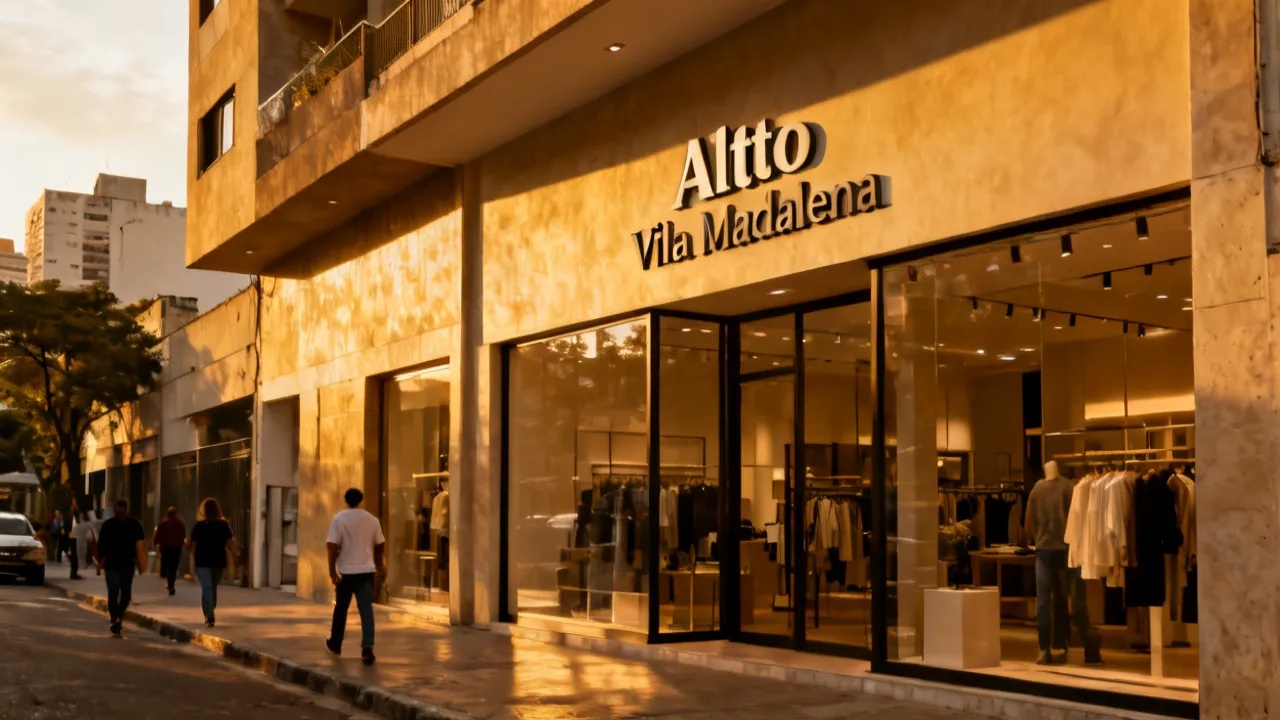
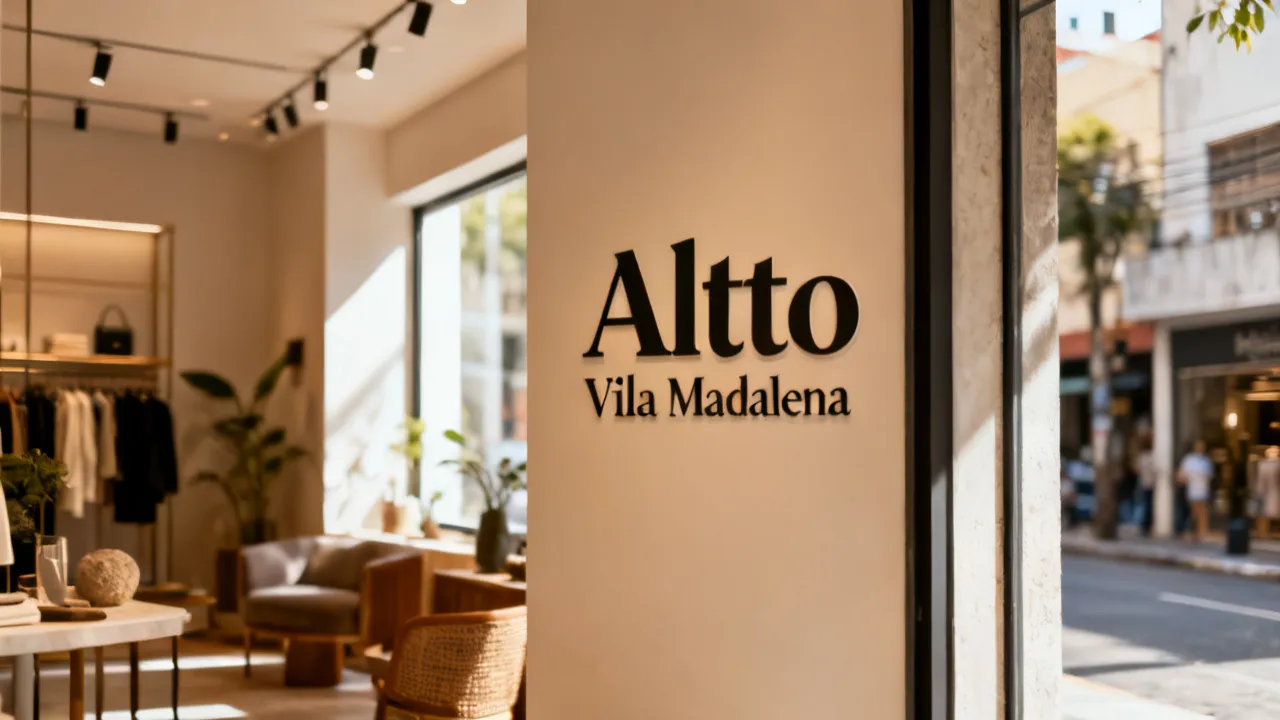
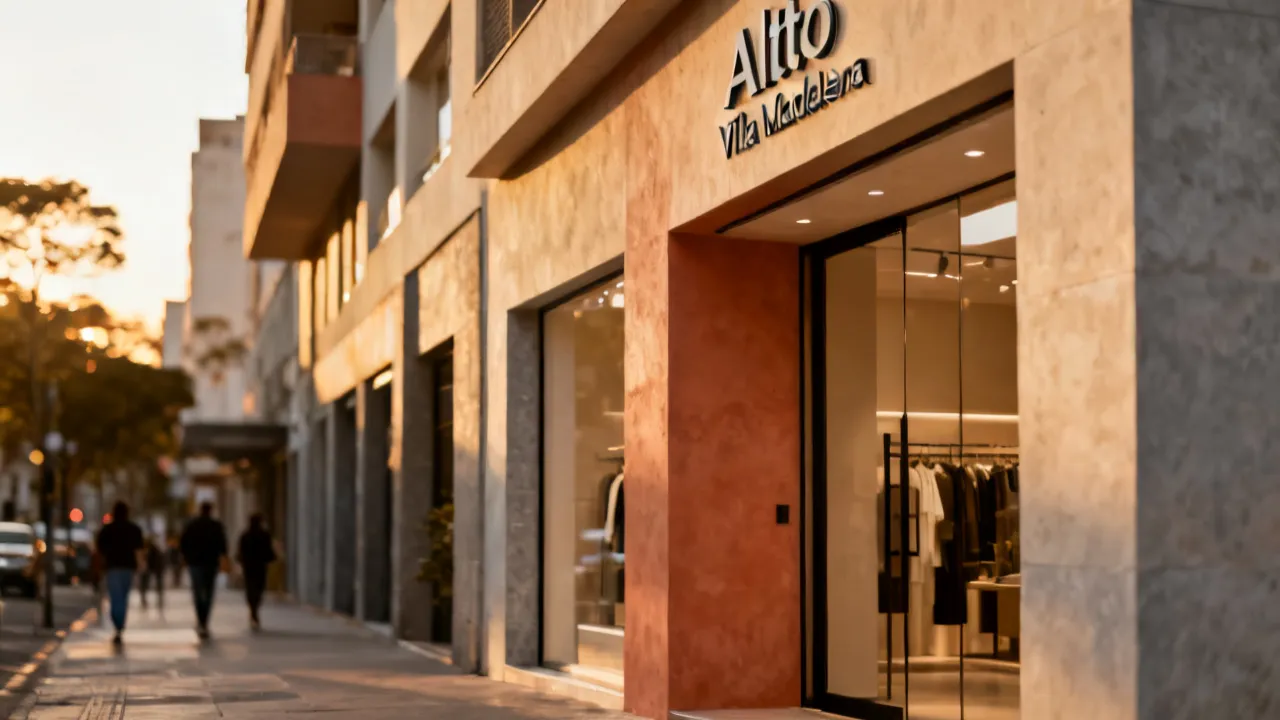
Altto Vila Madalena: A Guide for Smart Buyers
This guide explains what to evaluate when considering Altto Vila Madalena for your next move, whether you’re prioritizing daily convenience, neighborhood character, or good value. Objectively, the term connects a specific residential offering with Vila Madalena’s well-known urban lifestyle, local amenities, and demand-driven micro-market dynamics in São Paulo.

Start Here: What to Check Before Choosing Altto Vila Madalena
If you’re weighing Altto Vila Madalena as a residential option, the smartest approach is to assess it as a full “liveability package”—not just a unit. Many buyers make the mistake of focusing only on square meters, a few photos of the lobby, or a marketing brochure’s headline amenities. Yet the difference between a smooth ownership experience and a stressful one usually comes from details that are less visible at first glance: the real cost structure, the way the condominium is governed after move-in, the quality of construction (especially sound and waterproofing), and how clearly the contract protects you if timelines slip or defects appear.
Start with a checklist mindset: treat the decision as something you can verify. Focus first on (1) location-linked convenience to everyday routes, (2) building quality and common-area standards, (3) pricing structure and total cost of ownership, and (4) practical risk controls like documentation, registration status, and condominium rules. Because Vila Madalena is a distinct São Paulo district with a strong identity and lifestyle pull, evaluating how the property fits your routine can matter as much as the spec sheet—or even more than you expect.
Why Altto Vila Madalena Stands Out in a Demand-Driven Micro-Location
Altto Vila Madalena is tied to Vila Madalena, an area widely recognized for its creative energy, walkable pockets, and a mix of residential and boutique commercial streets. In urban property markets, these micro-locations often behave differently from broader city trends: demand can be steadier for well-positioned buildings even when macro conditions fluctuate.
Instead of thinking of Vila Madalena as a single “zone,” buyers should think in terms of micro-patterns: how far you are from specific daily needs (grocery stores, bakeries, pharmacies), how convenient the closest transit stops are, and how the street-level environment changes across the day. A project can be “in Vila Madalena” while still having very different day-to-day realities depending on its exact block, building orientation, and access routes.
From an industry perspective, the value proposition of an address like Vila Madalena is typically expressed through three lenses:
- Daily utility: proximity to groceries, pharmacies, transit access, and commonly used services reduces friction and can improve tenant or buyer appeal. People may pay more when daily errands become simpler—especially in a city where traffic and parking friction can be significant.
- Neighborhood identity: areas with a strong cultural “pull” often support rental desirability and lifestyle-based buyer interest. That “pull” can translate into consistent demand for units suitable for professionals, couples, or residents who prioritize being near social and creative venues.
- Long-horizon fundamentals: building upkeep quality and predictable condominium governance can influence resale outcomes. In a high-demand neighborhood, the building that’s managed well can stand out more than the one with slightly better finishes—because buyers increasingly ask, “How livable will it be in five or ten years?”
To evaluate whether Altto Vila Madalena benefits from this micro-location strength, your job is to verify that the project’s practical characteristics align with what the neighborhood tends to reward: livability, convenience, and reliable property management.
Pricing Reality: How to Think About Cost (Without Guesswork)
Because property pricing varies by unit size, layout, floor level, orientation, and availability, it’s essential to evaluate price using verifiable inputs—such as the developer’s published figures, current listing terms, or formal quotes from authorized channels. When you hear a single number in conversation, treat it as a placeholder until it’s tied to specific unit characteristics and contract conditions.
In São Paulo, buyers often encounter price information in several forms: a brochure’s “starting from” price, a sales team’s verbal offer, and the contract’s actual terms. These may differ. A professional buyer approach is to request documentation that allows you to calculate the real financial burden over time.
As an expert approach, request a simple cost breakdown that includes:
- Unit price (as stated in the offer or sales contract)
- Initial fees (where applicable under local practice)
- Condominium dues and what they cover
- Transfer-related costs and any projected recurring obligations
- Escrow or payment schedule terms, including milestones
But to truly reduce uncertainty, you should extend the breakdown beyond these bullets. Ask for estimated or historical figures where available—especially for condominium dues. New buildings often start with “projected” dues that can change once the condominium is operational and actual costs are known. While you can’t eliminate all uncertainty, you can measure and plan for it.
Also ask about the difference between a “condominium fee” and other charges you might face: utilities, building service subscriptions, parking-related expenses, and one-time assessments. If the unit includes parking, verify whether there are any additional charges related to the parking space’s assignment or maintenance.
Finally, consider how financing (if you plan to use it) interacts with the project timeline. If the building is under construction, financing approval timing, disbursement windows, and contract milestones can influence cash flow. A disciplined cost view should include your personal payment capacity during construction—not only the final purchase price at delivery.
Supplier and Delivery: What “Credibility” Means in Property Projects
When buyers research a project like Altto Vila Madalena, “supplier details” should be interpreted as more than a name. In a serious due diligence process, buyers verify the credibility of the project through measurable evidence and well-defined responsibilities.
Industry buyers typically verify the following:
- Developer track record: prior deliveries, quality consistency, and post-occupancy support reputation. Don’t only ask “Have they built before?” Ask “Have they delivered on time?” and “Do buyers complain mainly about user behavior or about construction and warranty handling?”
- Technical partners: the roles of architecture, engineering, and construction management providers. If you can identify who is responsible for which aspects, you can better understand the project’s technical strength.
- Documentation readiness: clarity around permitting, timelines, and official registration status. A credible project can produce documents quickly and consistently during due diligence.
- Warranty scope: what is covered, for how long, and the practical claim process. A warranty is only valuable if it’s administratively feasible to claim and if the process is documented.
For objectivity, limit conclusions to what can be confirmed via official or contractual materials provided during due diligence. If the sales process relies mainly on verbal assurances, treat it as a red flag until the same claims are reflected in the contract and supporting documentation.
Credibility is also about responsiveness. A practical test is to ask follow-up questions that require documentation: “Can you provide the warranty claim procedure in writing?” “Can you show the permit status?” “Can you share a defect correction timeline?” If responses become evasive, delayed, or vague, you should factor that behavior into your risk assessment.
Expert Lens: Liveability in Vila Madalena (And Why It Affects Value)
Vila Madalena’s appeal is not just aesthetic; it’s functional. The district is known for a combination of bars, galleries, dining options, and local commerce that creates foot traffic and social vibrancy. For residents, this can translate into conveniences—while also raising real questions to investigate, such as noise patterns and peak-hour crowding.
Liveability is where many buyers underestimate how much “small differences” matter. Two apartments with similar square footage can feel radically different because of orientation, window placement, street-level dynamics, internal layout flow, and even how the building entrance is designed to handle crowd movement.
In a professional evaluation, you’d compare your priorities against the realities of the street-level environment:
- Morning routine: Are there accessible supermarkets, bakeries, and pharmacies within your “daily walk or short ride” radius? Think beyond what’s trendy—focus on the stores you’ll realistically use weekly.
- Commute behavior: What route options exist during busier times? Consider typical traffic flow and transit reliability. Also consider your mode of commute: if you’ll drive, check parking and access routes; if you’ll use transit, evaluate walking distance and safety between stops.
- Evening comfort: How does the area feel after dinner—especially on weekends? Many neighborhoods become “more alive” after dark; that’s a benefit for some and a problem for others.
- Safety perception: Observe lighting, footpaths, building access design, and neighborhood guardianship patterns. “Safety” is not just about crime statistics; it’s also about visibility, the feeling of control and comfort when returning at night, and whether the street is well maintained.
These checks can be done without speculation—by visiting at different hours, reviewing building access design, and confirming condominium security procedures. If possible, do a “routine simulation”: time a morning walk to a supermarket, check how long it takes to reach a pharmacy, and evaluate the walk between building entry and the nearest transit stop.
Also consider the psychological effect of noise. Even if noise is “within tolerance,” constant background vibration or audible conversations from nearby venues can affect sleep quality and productivity. Sound insulation is a building-level feature; neighborhood-level vibrancy is a location feature. You need both to be compatible with your lifestyle.
Quality and Building Standards: Common-Area Details Matter
Many buyers focus on interior finishes, but experienced professionals often look first at building fundamentals. For a project marketed under Altto Vila Madalena, ask about:
- Construction quality controls: how the developer handles concrete, waterproofing, and sound insulation. Waterproofing and moisture control are especially important in São Paulo’s weather variability. Ask whether there are technical specifications that you can review.
- Ventilation and lighting: natural light availability and airflow characteristics, which influence comfort and utility costs. Ask about the unit’s orientation and how window placement affects cross-ventilation.
- Common amenities: what is included (and what is excluded), plus operating rules and maintenance expectations. A common area that looks good in photos may degrade quickly if maintenance planning is weak.
- Parking practicality: access flow, entry width, and any maneuvering constraints. Parking layouts can make daily life frustrating or smooth; evaluate this through on-site observation and, if possible, measurements.
- Maintenance culture: the realism of ongoing upkeep and reserve planning. A building with a plan for future repairs typically shows fewer disputes later.
Even if two units have similar square footage, differences in noise transmission, sun exposure, and common-area design can shift real day-to-day satisfaction—and that often correlates with resale and rental stability. In a district like Vila Madalena, buyers may tolerate smaller units if the building is well managed and the unit is comfortable. Conversely, buyers may avoid a well-located building with poor acoustic performance.
To go deeper, ask how the condominium will handle operational costs and what controls exist to prevent misuse. For example, if the building has a coworking area, gym, or shared lounge, ask how access is managed, how equipment is maintained, and what happens if users damage facilities. This is not only a practical question—it indicates how seriously the developer and future condominium leadership consider long-term sustainability.
Sound, Water, and Daily Friction: Hidden Quality Signals to Investigate
Because you may not have technical expertise, it helps to focus on observable and documented signals of quality. Here are areas where problems frequently show up over time in residential buildings:
- Sound insulation: Do you hear noise from the corridor? Can you hear external street activity through windows? While you may not fully measure it during a short visit, ask about acoustic performance specifications and observe how the building deals with shared-wall and shared-floor conditions.
- Waterproofing: Check whether the building plan includes waterproofing systems and how bathrooms and balconies are engineered. In many climates, waterproofing issues become expensive and difficult to resolve later.
- Thermal comfort: Ask about glazing quality and shading. Units that trap heat can lead to higher cooling costs and discomfort.
- Common-area finishes: Look for durability choices—materials that can withstand frequent use. A premium-looking lobby that uses fragile finishes may become costly to maintain.
- Ventilation in bathrooms and kitchens: Verify whether the layout supports adequate airflow. Poor ventilation can cause persistent odors and long-term humidity problems.
These questions aren’t meant to alarm you—they’re meant to ensure your decision is informed. High-quality projects usually have answers and documentation available.
Risk Controls: Due Diligence Steps That Professionals Recommend
Before committing, treat the purchase like a structured decision rather than a feeling. In mainstream real estate practice, risk is managed through documentation review and contract clarity. Key areas include:
- Legal standing and registration: confirm that the unit and development status align with official records. This includes understanding what exactly you’re buying and what is guaranteed at that stage of development.
- Payment schedule compliance: understand what happens if you delay or need to renegotiate terms. Look for clauses that could penalize you excessively or shift obligations unfairly.
- Condominium rules: check restrictions on pets, use of amenities, short-term rental policies (if any), and visitor rules. These rules can materially affect lifestyle and investment value.
- Timeline assumptions: look for completion and delivery clauses, including any penalties or buffers. Ask about what qualifies as “delivery” and whether there are acceptance criteria.
- Warranty and defect policies: request the written procedure for claims and corrective timelines. A warranty isn’t only about duration; it’s about process.
This is also where your “supplier details” become critical—because credibility is shown by how clearly these items are delivered and supported in writing. A professional developer can explain the documentation in plain language and provide it in a consistent manner.
Risk control also means managing your personal exposure. For example, if you’re financing, ensure that your bank requirements align with the project’s documentation and stage. If you plan to rent out the unit, confirm whether condominium rules allow the tenant profile you expect and whether there are any restrictions that reduce rental flexibility.
Market Context (Objective): How to Use Reliable Sources Without Overpromising
Real estate outcomes are influenced by interest rates, employment conditions, and financing availability. However, making precise forecasts without verified data is risky. A cautious way to frame the market is to use public, reputable references and then stress-test your plan.
For context on Brazil’s broader economic drivers that can affect demand and financing capacity, consult:
- Central Bank of Brazil (Banco Central do Brasil): for monetary policy information and financial indicators.
- Official housing and credit statistics: through government-linked or recognized industry bodies that publish structured datasets.
- Market research firms and real estate associations: for general transaction trends (always verify methodology and date).
When you evaluate Altto Vila Madalena, treat market context as a “scenario builder,” not a guarantee. Translate market indicators into practical decisions: how sensitive your financing plan is to rate changes, whether you can hold the property if rental demand softens, and whether you’re comfortable with the neighborhood’s lifestyle-related risks (such as noise or variability in street-level activity).
Also, avoid the common trap of using only one metric—such as price per square meter. In lifestyle districts, rent and resale can reflect building quality and management more than the superficial neighborhood label. That’s why the micro-location and building-level diligence often matters more than macro forecasting.
Comparison Table: What to Verify for Altto Vila Madalena (and Similar Projects)
| Evaluation Area | What to Ask | What “Good” Looks Like | What to Avoid |
|---|---|---|---|
| Price & Payment | Unit-specific breakdown, payment schedule, and contract clauses | Clear total cost, transparent milestones, and written terms | Vague “estimated” totals without contract references |
| Condominium Costs | Monthly dues and what services/amenities they fund | Documentation and consistency with building design | Assuming low dues without reviewing scope |
| Supplier / Developer | Track record, technical partners, and warranty approach | Documented deliveries and a defined support process | Only marketing statements without written proof |
| Building Quality | Construction methods, sound insulation, waterproofing assurances | Specific technical commitments and accountable quality controls | Broad promises without measurable details |
| Neighborhood Fit | Noise, commute routes, and daily access points | Empirical observation at different hours | Relying on one-time impressions |
| Legal & Timeline | Status, delivery terms, and defect/warranty procedures | Clear documentation and contract-grade definitions | Unclear timelines or missing clause details |
Step-by-Step Guide: How to Evaluate Altto Vila Madalena Like a Professional
- Define your decision goal: Are you buying for personal living, good hold, or income generation? Each goal changes what “top” means. A personal-use buyer may prioritize quietness and comfort, while an investor might prioritize rentability and rules affecting leasing.
- Collect unit-specific information: Confirm square footage, layout, orientation, parking, storage, and any included amenities relevant to the unit. If the unit includes a storage space or specific appliance package, verify it in writing.
- Request a full cost sheet: Include price, recurring condominium dues, estimated utilities, and any known fees under contract terms. Ask for a timeline of when dues begin (before delivery vs after) if relevant.
- Verify supplier details: Obtain documented development information, warranty scope, and support procedures. Request these documents proactively rather than relying on sales explanations.
- Assess liveability in Vila Madalena: Visit at morning, afternoon, and evening. Note noise patterns, convenience access, and building entry flow. If you work typical office hours, include a visit during commute windows.
- Review condominium governance: Ask about rules and how decisions are made—this affects both comfort and future resale value. Focus on topics that can change lifestyle and investment economics.
- Run a risk checklist: legality status, timeline clauses, defect handling, and payment schedule protections. Read the contract as a risk map, not just as a formality.
- Compare alternatives nearby: Even within the same district, alternatives may offer different tradeoffs in size, orientation, and building quality. Standardize comparisons so you can make meaningful judgments.
- Decide with documentation: Make the final decision based on written terms and verified information, not assumptions. If something matters to you, it should appear in documents or contract appendices.
What “Good Documentation” Looks Like in Practice
Professional diligence isn’t only about what you ask—it’s also about the form of what you receive. When evaluating Altto Vila Madalena, good documentation usually exhibits these characteristics:
- Specificity: it clearly identifies the unit, the building, and the stage of completion.
- Consistency: statements in marketing materials align with contract details and with technical descriptions.
- Traceability: you can reference a clause for every important point—delivery criteria, warranty conditions, and responsibilities.
- Operational clarity: it explains not only what is promised, but how you request it (claims, corrections, approvals).
- Completeness: it includes schedules, appendices, and defined acceptance standards if the building is delivered in phases.
By contrast, documentation that feels incomplete, inconsistent, or overly general often correlates with disputes later. While you can’t predict every future issue, you can reduce the likelihood of unpleasant surprises by requiring contract-grade clarity upfront.
Conditions and Requirements to Proceed Safely
In professional due diligence, the “conditions/requirements” typically include:
- Written confirmation of unit details: layout, parking assignment, storage, and any included features. Ask for official unit descriptors, not only brochures.
- Contract-grade clarity: delivery terms, warranty coverage, and what constitutes contract compliance. If acceptance involves a checklist, ensure you can understand it.
- Documented developer responsibility: supplier accountability for construction standards and defects correction processes. Look for procedures that define roles and response times.
- Budget readiness: you should plan for recurring costs beyond the purchase price, including condominium dues and maintenance expectations. Also include a contingency buffer for unexpected repairs or initial condominium operational adjustments.
- Independent verification where appropriate: if your situation allows, use qualified legal or financial professionals to review contract elements and financing structures.
It’s also wise to establish “go/no-go” conditions before you spend more time. For example: if the timeline clause lacks specifics, you pause. If warranty claims are unclear, you pause. If condominium rules restrict a lifestyle you depend on (like pets or frequent guests), you pause.
Liveability Deep Dive: Practical Checks You Can Perform Yourself
Even if the project is under evaluation mostly through documentation, you can still do a lot to understand liveability. Here are practical checks that don’t require technical equipment:
- Noise mapping: visit the area at different hours and note where noise originates (street traffic, foot traffic, nearby venues, loading/unloading activity). Then ask yourself whether your unit orientation could shield or amplify those sounds.
- Lighting and visibility: walk around the building entrance and nearby sidewalks at night. Check whether pathways are lit and whether the route feels direct and comfortable.
- Convenience test: time a walk to the nearest practical grocery option and note the usability: sidewalk quality, crossings, and whether it’s safe to walk with bags.
- Parking realism: if you drive, evaluate how cars enter and exit nearby streets at peak hours. A building might look fine, but external access can still be frustrating.
- Building entry friction: observe how people access the building—does the entrance handle deliveries smoothly? Is there a clear procedure for visitors and packages? Entry friction can influence daily convenience and resident stress.
When you combine these observations with documented building standards, you get a more complete view of what it will actually feel like to live there—not just what it looks like in the sales deck.
Condominium Governance: Why It Matters More Than Most Buyers Think
One of the biggest long-term drivers of satisfaction in condominium life is governance. Even a great building can become uncomfortable if rules are inconsistent, enforcement is weak, or maintenance planning is underfunded. For Altto Vila Madalena, you should pay attention to how the condominium will likely function after it becomes operational.
Consider these governance-related questions:
- Decision-making: Who controls key decisions initially? Are there transition phases from developer management to resident management?
- Maintenance planning: Is there evidence of reserve planning and long-term maintenance budgeting? A financially healthy condominium is more likely to handle repairs without conflict.
- Amenity access rules: Are there clear operating times, booking systems, and behavior guidelines? Ambiguity often leads to disputes.
- Noise and coexistence rules: Are there enforceable quiet hours? How are gatherings handled in common areas?
- Rental and short-stay policy: If applicable, do the rules restrict short-term rentals? Restrictions can change the attractiveness for some investors and can influence the overall resident mix.
While you may not know the exact future behavior of future residents, written rules and governance structures provide a foundation. That foundation influences whether you will experience a stable, predictable environment.
Investment Angle (If You Plan to Rent): What to Check Beyond Rental Price
Some buyers choose Altto Vila Madalena as an investment because Vila Madalena tends to attract tenants seeking a lifestyle neighborhood. However, rental profitability isn’t only about headline rent; it’s about the durability of demand and the flexibility of your leasing strategy.
Check these investment-oriented factors:
- Unit appeal: layout efficiency, natural light, and practical storage can influence tenant satisfaction and reduce turnover risk.
- Rental restrictions: ensure condominium rules permit the leasing model you intend (long-term vs short-stay). Rules can directly impact rental demand.
- Operating costs: tenants care about utilities and building comfort. If condomínio dues are unusually high or the building has comfort issues, tenant demand may weaken.
- Management quality: professional and responsive condominium management often correlates with fewer tenant disputes. Tenants prefer predictable environments.
- Exit strategy: consider how easy it is to sell the unit later. Buyers often prefer buildings with stable governance and known documentation.
As with personal living, your goal is to reduce unknowns. In investment decisions, unknowns can become financially expensive through vacancy risk, maintenance disputes, or inability to rent under your preferred model.
Comparing Units Within Altto Vila Madalena: How to Choose the Right Fit
Even within the same building, different units can perform differently in terms of comfort and long-term satisfaction. When evaluating unit options in Altto Vila Madalena, consider:
- Orientation and daylight: does the unit get pleasant natural light at times you’ll notice (morning or late afternoon)?
- Noise exposure: units facing certain streets may have different acoustic realities. Ask for guidance on where noise originates during peak hours.
- Layout efficiency: verify room dimensions, circulation space, and practicality for daily routines. A unit that “looks spacious” may feel tight in movement if corridors or openings are poorly planned.
- Ceiling heights and windows: these affect perceived openness and ventilation.
- Parking convenience: parking location within the building can influence daily friction. Some spots require more maneuvering.
- Storage and built-ins: adequate storage reduces clutter and maintenance headaches over time.
When a sales team suggests that all units are “essentially the same,” treat it as an oversimplification. A professional buyer compares the differences that matter to life—sound, light, layout, and access friction.
FAQs About Altto Vila Madalena
1) What is Altto Vila Madalena?
Altto Vila Madalena refers to a residential project associated with the Vila Madalena neighborhood. As with any specific building or offering, your top source of truth is the official sales material and the unit-specific documentation provided for the project. If you are evaluating a particular unit, ensure that your paperwork identifies the unit clearly and ties every promise to a contractual clause.
2) How should I compare price for different units?
Compare unit-specific total cost and contract terms, not just the headline figure. Normalize for differences in size, orientation, floor level, parking inclusion, and any included features. Then evaluate recurring obligations like condominium dues. Also compare whether the payment schedule changes based on unit selection; sometimes smaller units have different milestone timing or fee structures.
3) What supplier details should I ask about?
Ask about the developer’s prior deliveries, technical partners, construction management approach, warranty scope, and defect claim process. Credible suppliers document these items clearly rather than relying on general marketing language. Request these details in writing and cross-check that they align with what’s stated in your contract documents.
4) Is Vila Madalena a good location for good living?
Many residents value Vila Madalena for its lifestyle and everyday convenience. Still, the right fit depends on your tolerance for neighborhood vibrancy and your commute needs. The most reliable method is visiting at different times and observing real conditions, then comparing those observations with the building’s documented construction standards—especially sound insulation and ventilation.
5) What are the very important due diligence checks?
Focus on legal/registration status, contract clarity (timeline and warranties), condominium rules, and quality commitments. These checks reduce risk and help align expectations with reality. Treat any missing documentation as a decision constraint, not as a minor inconvenience.
6) Should I invest based on market trends alone?
No. Market conditions can influence financing and demand, but personal suitability and verified building fundamentals typically drive outcomes more directly. Use broader data only to build scenarios, not to justify a decision by itself. Even in a positive market, a poorly managed condominium or a building with documented recurring defect issues can undermine your investment plan.
7) How can I evaluate building quality without technical expertise?
Request written documentation about construction and warranty procedures, and ask direct questions about sound insulation, waterproofing, and maintenance planning. You can also observe common areas and building access design to gauge professionalism in execution. If you can arrange a thorough inspection or consult a qualified professional, that can further reduce uncertainty—particularly for acoustic and moisture-related concerns.
8) What if I’m considering alternatives “nearby”?
If you compare within the same district or “nearby,” ensure you standardize variables: similar unit sizes, similar amenity packages, comparable delivery timelines, and equivalent access to transportation and daily services. Then weigh tradeoffs rather than chasing one standout spec. A common approach is to compare at least three properties side-by-side using the same cost-sheet format and the same liveability checklist.
Conclusion: A Practical Way to Decide on Altto Vila Madalena
Choosing Altto Vila Madalena is ultimately a decision about fit: how the unit’s characteristics, the building’s standards, and Vila Madalena’s lived environment align with your needs. By evaluating verified price details, scrutinizing supplier credibility, and following structured due diligence steps, you can move from curiosity to a confident, documentation-led choice. In a dynamic neighborhood, that disciplined process is what turns “interesting” into “right for you.”
If you apply this approach—cost transparency, supplier accountability, liveability validation at multiple times of day, and governance/risk checks—you’re not only choosing a building. You’re choosing a daily experience with fewer surprises and a clearer long-term path.
-

A Guide to Cost-Efficient Small Electric Cars for Seniors
-
Mastering Debt Consolidation: Boost Your Credit Score and Manage Interest Rates
-
Your Guide to Loans, Credit Checks, and Interest Rates
-
Affordable Independent Living: Finding the Right Senior Housing
-
Guide to Senior Living Apartments: Affordable and Comfortable Environments