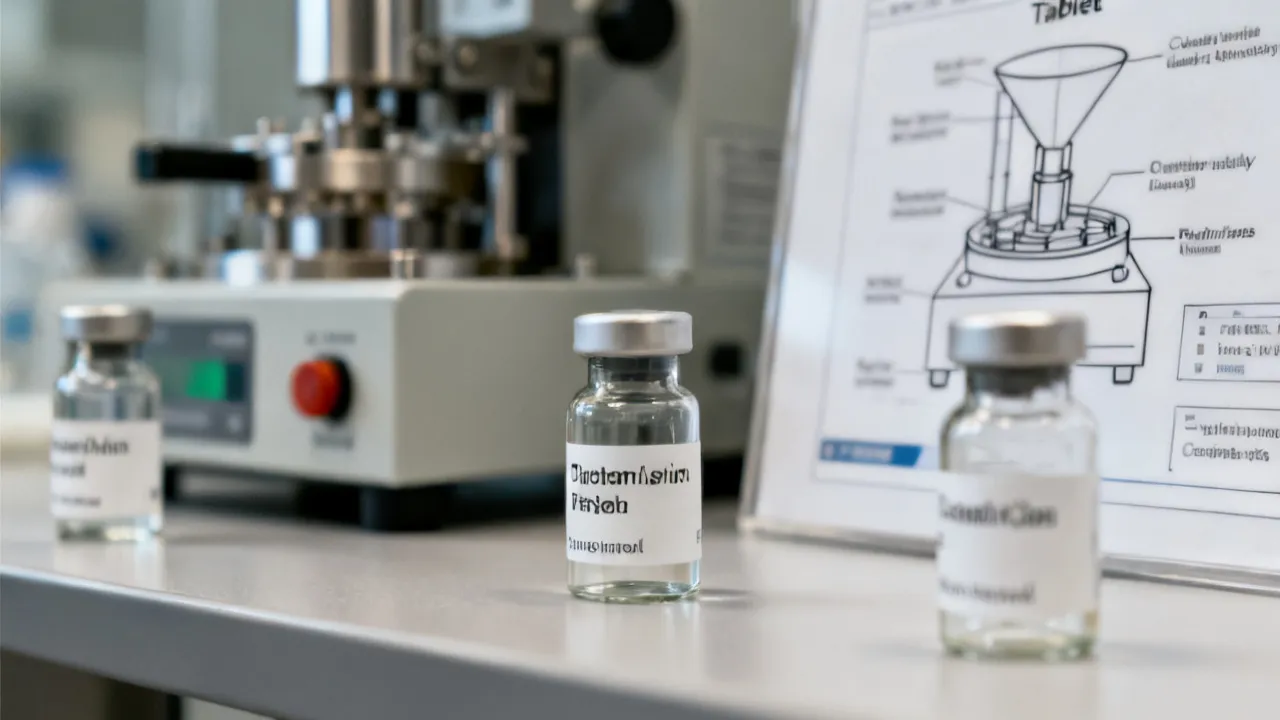
Understanding PMOC Abrava: Uses, Handling, and Compliance
PMOC Abrava is discussed here through a practical, compliance-focused lens—covering what it is used for, how it is typically handled in operational settings, and what quality checks matter very. Objectively, the term relates to controlled materials and process discipline commonly seen in regulated supply chains, where documentation, traceability, and risk-based procedures guide safe use.
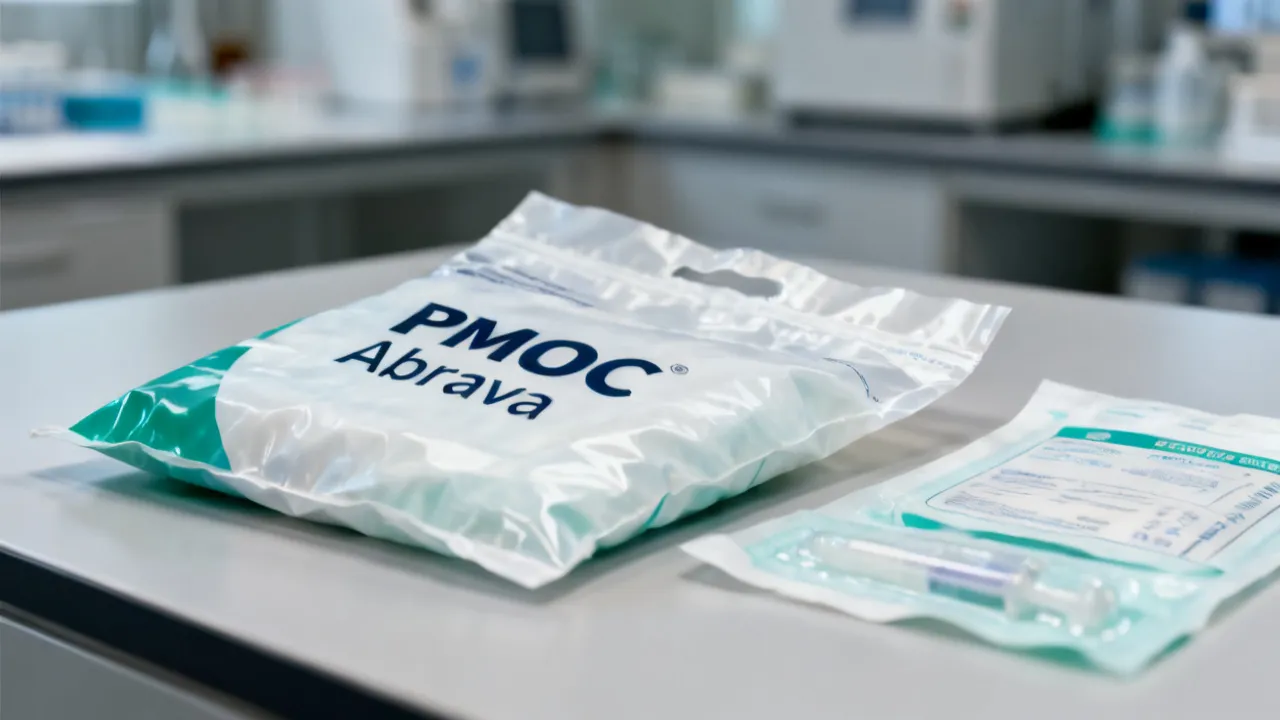
Priority Overview: What PMOC Abrava Demands in Real Operations
PMOC Abrava is best approached as a process-controlled material rather than a casual commodity. In professional environments—where safety, traceability, and consistent performance are expected—PMOC Abrava is typically governed by a combination of standard operating procedures, supplier documentation, batch traceability, and verification checks. The core takeaway for organizations is simple: the value of PMOC Abrava emerges when handling, storage, and documentation are aligned to the intended application and the relevant internal or regulatory requirements.
Because terminology in industrial and healthcare-adjacent supply chains can vary by region, manufacturer, or catalog system, an expert mindset starts with confirmation of the exact product identity (grade, intended use, packaging configuration, and specifications) before deciding how it should be handled. This is particularly important when the workflow touches regulated processes, sensitive products, or cross-border procurement.
In real operations, teams often discover that the “hard part” is not the material’s intrinsic properties alone. The hard part is building a workflow that proves the organization managed the material correctly from inbound receipt to final disposition. This proof typically takes the form of records, labels, batch correlations, and a demonstrable verification logic. The material can be perfectly fine, but if the documentation and control steps are incomplete, operational confidence and audit readiness degrade quickly.
Accordingly, PMOC Abrava often triggers a management requirement that resembles a “light regulatory regime” even when the environment is not fully regulated. The reason is practical: when a material is used in a process that can influence product performance, safety outcomes, contamination risk, or compliance status, organizations need a system that treats each inbound lot as a traceable, controlled input. PMOC Abrava is therefore not merely purchased; it is managed.
Why Professional Teams Treat PMOC Abrava as a Quality-Sensitive Input
Teams that rely on PMOC Abrava generally emphasize three operational pillars:
- Traceability: being able to connect a delivered unit to its batch record, certificate documentation, and relevant specifications.
- Verification: confirming the material meets the required identity and performance expectations at the point of receipt or during controlled processing.
- Risk control: ensuring that storage conditions, handling steps, and documentation keep risks within predefined limits.
From an industry-expert perspective, “works fine” is not a sufficient standard—what matters is whether the organization can demonstrate that PMOC Abrava is consistently managed according to defined requirements. That demonstration is often as important as the material itself, particularly in audits, internal quality reviews, supplier qualification cycles, and investigations.
To operationalize these pillars, professionals typically design workflows with explicit “gates.” A gate is a defined point in the process where a set of checks must be performed, with documented outcomes. The gate can be as simple as verifying the label and paperwork at receiving, or as complex as conducting controlled testing and releasing the lot for use. Regardless of complexity, the principle remains: the organization must be able to answer, quickly and reliably, how it ensured the PMOC Abrava used in a specific run matched the intended identity and constraints.
In addition, professional teams often align their handling approach with a risk-based philosophy. Instead of applying a uniform procedure to every shipment, they calibrate the intensity of controls based on sensitivity: the material’s role in the process, the potential impact of deviations, the availability of test methods, the stability of the supplier’s manufacturing, and the organization’s historical performance with that supplier.
Common Use Contexts for PMOC Abrava (Process Discipline First)
Without over-speculating on proprietary formulations, PMOC Abrava is typically referenced in workflows where the supplier’s description, technical documentation, and application guidance define the boundaries. In such settings, professionals usually care less about marketing terms and more about:
- Specification compliance (identity, purity/grade where applicable, physical form, and any stated constraints).
- Compatible packaging and transit handling to reduce contamination or degradation risks.
- Clear “intended use” instructions so internal procedures remain aligned with supplier expectations.
If your organization is evaluating PMOC Abrava for a new workflow, the first step is mapping where it will sit in the process: inbound receiving, quarantine/approval, storage, controlled use, and disposal or return. Each step should have a defined owner, record expectation, and acceptance criteria.
In practice, many operational failures occur during the “handoff moments”—when material transfers from receiving to storage, from storage to production, or from production to quarantine/disposal. These transitions can be invisible to non-quality staff but they are often where label mix-ups, record gaps, and segregation errors happen. A mature PMOC Abrava workflow therefore defines not only the checks, but also the transfer rules: what identifiers must travel with the material, what documentation must accompany it, and what conditions allow movement from one status to another (e.g., quarantine to released status).
Another common context is cross-functional use—where procurement, warehouse, QA, and operations each touch the material. When roles are unclear, PMOC Abrava becomes vulnerable to “assumption-based handling.” For example, warehouse staff may assume QA will handle verification later; QA may assume warehouse stored it correctly; procurement may assume the supplier included complete documents. A controlled workflow prevents these assumptions by making each role responsible for specific evidence.
Inbound Controls: The Receipt Checks That Prevent Downstream Failures
In mature supply chains, PMOC Abrava is treated as an item that enters a gated quality system. That means it typically passes through receipt verification before being allowed into active production or service.
At minimum, professional inbound controls tend to include:
- Document review: verifying packing list, batch/lot identifiers, and relevant certificates or specification sheets.
- Label and identity confirmation: checking that the delivered labeling matches the purchase order and the approved item master record.
- Condition assessment: confirming packaging integrity and absence of damage that could affect quality.
- Storage condition readiness: ensuring required temperature/humidity (if specified) and segregation practices are available.
These steps reduce the risk of “near matches” that later become expensive—especially when downstream steps are sensitive to small deviations. A near match is when the material is close enough visually or administratively that someone might attempt to use it, but it is not fully correct: wrong grade, wrong packaging configuration, missing traceability identifiers, or ambiguous lot numbers.
To make inbound controls robust, many teams define a “receipt checklist” plus an escalation pathway. Escalation means you have a defined decision tree: what to do if documents are missing, labels are damaged, or the packaging is compromised. For instance, if the certificate of analysis (or relevant documentation) is missing, the item may remain quarantined; if labels are unclear, the item may require re-labeling under QA-controlled conditions; if packaging is damaged, the item may require further investigation or sampling per internal procedures.
Professionals also build a habit of recording not only pass/fail outcomes, but also evidence details. Examples of evidence details include date/time of receipt, the receiver’s identity, condition observations (intact seals, moisture indicators, tamper-evident features), and which documents were reviewed. These details are often what auditors look for when assessing process maturity.
Handling and Storage: Keeping PMOC Abrava Within Stated Boundaries
Handling rules for PMOC Abrava are usually driven by the supplier’s documentation and the nature of the receiving environment. For quality and compliance, organizations generally standardize:
- Personnel responsibility: training records and access control where needed.
- Cleanliness and contamination prevention: appropriate surfaces, containers, and transfer practices.
- Segregation: preventing cross-contact with incompatible materials and keeping quarantined stock separate.
- Environmental control: aligning storage conditions with stated requirements.
- Expiration or shelf-life logic: preventing use beyond acceptable limits (when such limits apply).
Even when a material appears stable under normal conditions, compliance is not based on appearance. It is based on evidence: documented handling, verified storage conditions, and traceable batch usage records.
In real warehouse and operations settings, storage is not only about “temperature and humidity.” It is also about physical organization and status control. PMOC Abrava often needs clear labeling of storage status (e.g., quarantined vs. released vs. expired vs. rejected). Many organizations implement digital or paper systems that encode status and location. When these systems fail, staff may store released items near quarantined items, or they may place items in bulk without verifying lot-level location information.
Handling procedures also address container management. For example, if PMOC Abrava is received in sealed packaging and needs to be transferred into process containers, the transfer must preserve identifiers and prevent contamination. If repackaging is allowed, it must follow controlled procedures, including using approved containers, documenting re-pack actions, and ensuring the lot number remains traceable.
Another storage consideration is environmental excursion. If the supplier indicates a strict temperature range, organizations may implement excursion management: what to do if a shipment arrives outside the range, how to record and evaluate the excursion duration and severity, and how QA decides whether the lot can be used.
Where shelf-life applies, professional operations typically implement a strategy to avoid inadvertent use of near-expiry or expired stock. This is often done via FIFO/FEFO logic (first-in-first-out / first-expired-first-out), but more importantly via lot-level inventory tracking. If the organization lacks lot-level inventory accuracy, the risk becomes administrative rather than scientific: the system might show stock as available while it is actually expired or should have been disposed.
Documentation and Traceability: Why Auditors Focus on PMOC Abrava
In regulated contexts, auditors and internal quality teams often ask a focused question: “Can you demonstrate control from supplier to point of use?” For PMOC Abrava, that typically means you can produce:
- Supplier qualification evidence (as applicable): approved status, review cycles, and any ongoing performance monitoring.
- Batch traceability: the ability to link a unit used in process steps back to the received lot.
- Change control records: what happened if there is a formulation change, packaging revision, or supplier shift.
- Deviation and corrective action documentation: how issues were handled and prevented from repeating.
Not every organization faces the same level of regulatory intensity, but traceability expectations tend to rise when products touch patients, food-related processes, or critical industrial systems. Even in non-regulated environments, client expectations can effectively create a compliance burden—especially when clients request audit evidence, ask for certificates, or perform their own vendor qualification.
Traceability is best understood as a set of linkages. At minimum, a robust system links:
- Purchase order line item → received shipment → internal lot number → storage location → production run/batch record → final disposition.
However, many organizations inadvertently break one of these linkages. Common breakpoints include:
- Receiving documentation exists, but warehouse inventory does not record the lot/serial correctly.
- Warehouse records exist, but the production batch record does not cite the correct lot used.
- Production records cite the lot used, but the lot cannot be matched back to the supplier certificate because identifiers were transcribed incorrectly.
- Change control documentation exists, but it is not referenced in the internal item master or work instructions, so staff use outdated instructions.
To prevent these gaps, teams frequently standardize identifier formats, enforce label scanning, and include lot identifier fields as required fields in batch records. Additionally, organizations often conduct “traceability drills” where they select random production runs and verify that they can trace back to the supplier documentation without missing steps.
Quality Verification: What “Meets Requirements” Should Mean
Because PMOC Abrava may be used in environments where correctness matters, “meets requirements” should be operationalized with acceptance checks. Exact tests depend on supplier specifications and intended application; therefore, professional practice emphasizes aligning verification to:
- Identity and grade confirmation (as specified in technical documents).
- Performance-related attributes (if measurable and required by internal standards).
- Documentation completeness (the paperwork must support the technical claims).
When teams skip verification or rely only on vendor assurances, they increase exposure to batch-specific deviations and supplier process variability. A controlled verification step—small or large—often provides disproportionate risk reduction.
In real operations, verification may range from document-only checks to lab testing. Document-only checks are still valuable when they verify consistency: label identity matches certificate identity; batch numbers match the lot delivered; certificates are complete and within required validity. However, for higher sensitivity uses, teams may require additional tests. The verification approach should be defined in advance, along with what to do if verification fails.
Professional verification planning often includes these components:
- Acceptance criteria: what specific conditions must be met to release the lot.
- Sampling logic: if sampling is used, how many units or packages are sampled and why.
- Testing method references: which method is used and whether the method is qualified.
- Result evaluation rules: how results are interpreted and what constitutes out-of-spec or out-of-trend.
- Decision pathways: clear instructions for release, rejection, or rework/testing escalation.
Because PMOC Abrava is described as a process-controlled material, verification may also include verification of compatibility—for example, confirming that the material is consistent with how it will be stored, transferred, or processed. Compatibility verification can be administrative (confirming the packaging type is acceptable) and procedural (confirming staff follow the correct transfer rules).
Price, Supplier, and Sourcing Considerations (Procurement Without Guesswork)
You asked to incorporate price information and supplier details; however, no explicit numeric price, supplier name, or location-specific cost figures were provided in your prompt. In professional purchasing, that absence should be treated as a diligence requirement rather than filled with assumptions.
Here is the expert approach to price and supplier evaluation for PMOC Abrava when exact numbers are not yet established:
- Request item-specific quotes that match the exact product identity (grade, pack size, and intended use).
- Confirm documentation included with the quote (e.g., batch documentation, specification sheets, any compliance statements relevant to your industry).
- Compare total landed cost rather than unit cost alone (packaging configuration, shipping conditions, lead time, and return policies).
- Verify supplier qualification status if your environment requires it.
If you later provide a specific supplier and price range, the narrative can be refined to reflect your exact procurement scenario, including how cost differences relate to packaging, lead time, documentation, and verification services.
In practical procurement, teams often request quotes that include not only unit price, but also the operational “support footprint” that affects total cost and risk. For example:
- Does the supplier provide certificates at shipment time or only upon request?
- Do they supply batch traceability identifiers in a format that your internal systems can ingest?
- Do they have temperature management and shipping packaging designed for the required storage conditions?
- Are lead times stable or prone to delays that could disrupt controlled inventories?
- Do they offer replacements or credit policies when documentation or labeling is wrong?
These questions matter because they influence how much internal work your team must do to reach compliance. In other words, the “cheapest” unit price can be the most expensive when the organization must spend additional labor to reconcile paperwork, re-label under QA control, or manage rejects.
Additionally, professional teams incorporate a supplier performance evaluation loop. They may score suppliers on documentation accuracy, on-time delivery, incidence rate of deviations, and responsiveness to corrective actions. Over time, this can guide decisions about where to allocate volume, when to audit deeper, and when to change supplier.
Supplemental Guidance as a Comparison Table, Step-by-Step Guide, and Requirements
| Aspect | Option A (Supplier-Documentation-Led) | Option B (Verification-Strengthened) |
|---|---|---|
| Primary basis | Relies mainly on supplier certificates and identity labels for PMOC Abrava | Uses supplier documentation plus additional receiving checks aligned to internal standards |
| Top fit | Lower-risk workflows where deviations are unlikely and acceptance criteria are straightforward | Higher-sensitivity processes where traceability and verification add meaningful risk reduction |
| Operational effort | Lower initial effort, more reliance on vendor controls | Moderate effort, more structured receiving and recording steps |
| Audit readiness | Depends on whether documentation is comprehensive and consistent | Generally stronger because evidence is built into the receiving workflow |
| Common requirement | Clear item identity matching the order and approved records | Defined acceptance criteria and documented verification approach for PMOC Abrava |
Step-by-Step Guide for Integrating PMOC Abrava into a Controlled Workflow
- Confirm product identity: Validate grade/format, pack size, and intended use details for PMOC Abrava against the approved item master.
- Pre-approve the supplier: Ensure the supplier is eligible for your organization’s procurement and quality expectations, especially if audits apply.
- Request documentation before shipment: Obtain the relevant specification sheets and any batch-related documentation expected for your use context.
- Plan receiving controls: Define who checks what (labels, lot numbers, packaging condition) and how quarantine/approval is handled.
- Perform receipt verification: Check labeling accuracy and package integrity; record outcomes to preserve traceability.
- Assign storage requirements: Store PMOC Abrava according to stated conditions, with segregation from incompatible materials.
- Execute controlled use: Follow the internal handling procedure so batch tracking remains intact from storage to application.
- Record usage by batch: Maintain a link between the lot received and the lot used in each process batch or operational run.
- Handle deviations immediately: If documentation is incomplete or conditions appear off, quarantine and initiate a deviation review.
- Review supplier performance periodically: Use internal feedback (quality events, lead time stability, documentation accuracy) for ongoing evaluation.
Conditions and Requirements to Define Upfront
To keep PMOC Abrava handling aligned with professional expectations, organizations commonly require:
- Clear acceptance criteria for identity and condition at receipt.
- Batch traceability fields in your inventory and production/service records.
- Defined storage segregation practices and environmental controls where applicable.
- Training documentation showing staff understand safe handling and record expectations.
- Defined change-control triggers (e.g., supplier packaging changes, specification updates, or documentation revisions).
In addition to these baseline requirements, many organizations add operational “quality of evidence” rules. These rules define what constitutes a complete record and what quality attributes the record must have—legibility, traceable timestamps, sign-off responsibilities, and link integrity between systems. This is particularly important when multiple teams use different systems (warehouse management system, ERP, quality management system, lab systems, and production batch record tools).
Another often overlooked requirement is defining who is authorized to release a lot. “Release” means more than allowing staff to use the item; it means formal authorization based on defined criteria. Professional environments therefore specify roles and authorization levels, ensuring that the release authority is aligned with QA or quality responsibilities.
Also consider how you will manage returns and disposition. If PMOC Abrava is damaged, near-expiry, or documentation is invalid, you need a disposition pathway: return to supplier, reprocess/testing, or reject/dispose. Each pathway should have documentation requirements and approvals. Without these, operations teams may hold material indefinitely in ambiguous status, which creates both compliance and safety issues.
Compliance and Risk Management: A Neutral, Expert Lens
Professional risk management treats materials like PMOC Abrava as part of a system. The “material risk” is only one variable; other risk variables include process variability, operator handling, environmental factors, and documentation quality. In practice, organizations reduce risk by making procedures explicit and evidence-based.
For any organization seeking to tighten controls, a helpful neutrality rule is: do not increase trust because documentation looks polished; instead, verify that documentation matches the delivered reality and that internal records reflect actual handling.
When PMOC Abrava is used in contexts where safety and regulatory considerations apply, aligning internal procedures with recognized frameworks (e.g., formal quality management systems and good documentation practices) can strengthen consistency. If your industry is regulated, you should map your controls to your applicable standards and conduct periodic internal audits.
A neutral expert lens also recognizes that risk controls are not binary. Instead of asking “Do we control it or not?”, organizations should ask: “Are controls proportional and effective?” Proportionality helps avoid unnecessary burdens that can be counterproductive. For instance, if receiving verification is too intense for low-risk applications, staff may start to treat it as box-checking and become less attentive. Conversely, if verification is too light for high-sensitivity uses, deviations may slip through and generate expensive downstream problems.
Risk management for PMOC Abrava can be operationalized by a risk assessment that considers:
- Severity of potential impact if PMOC Abrava is mis-identified or mishandled.
- Occurrence likelihood based on supplier history and internal error rates.
- Detectability of problems using current checks before the material reaches use.
- Exposure based on how widely the material is used and whether one lot can affect multiple production runs.
Then, the organization chooses controls that improve detectability (better receiving checks), reduce occurrence (supplier qualification, packaging requirements), and reduce severity (containment strategies, quarantine and recall planning).
Another part of risk management is emergency preparedness. If an issue arises—such as a supplier issues a recall-like notification, or an internal deviation indicates that a lot may be nonconforming—teams need to know how to locate affected stock quickly. This capability depends on traceability accuracy. In many environments, the difference between a manageable investigation and a chaotic one is the ability to retrieve lot-level data within a defined timeframe.
FAQs About PMOC Abrava
1) What is PMOC Abrava used for?
PMOC Abrava is referenced in controlled workflows where correct identity, handling, and documentation matter. The precise intended use depends on the supplier’s specification and your application requirements, so professional practice begins by confirming the exact product identity and recommended use.
Because the term “PMOC Abrava” may be used as a shorthand in different catalogs or internal systems, organizations often treat “use” as a formal configuration of requirements: the application, the process step, the required packaging format, and the acceptance criteria. “Used for” is therefore not only a narrative statement; it becomes a set of operational constraints.
2) How should PMOC Abrava be verified upon delivery?
At a minimum, verify labeling/lot identification, packaging integrity, and completeness of supplier documentation. Higher-sensitivity workflows typically add additional receiving checks based on internal acceptance criteria aligned to the supplier’s specifications.
To strengthen verification, teams commonly implement a “receipt release checklist” with required fields. For example, the receiving record may require that the lot number, expiry date (if applicable), container count, seal condition, and documentation references are captured before the item can be moved from quarantine to released status. This reduces the risk of later disputes about what was checked and when.
3) Does PMOC Abrava require special storage conditions?
Storage conditions should follow the supplier’s technical and safety documentation. In professional settings, teams prepare storage segregation, environmental readiness, and record-keeping so that PMOC Abrava is stored and handled consistently with stated requirements.
In practice, storage conditions often include more than temperature/humidity. If PMOC Abrava has stated requirements related to light exposure, container closure integrity, moisture sensitivity, or contamination avoidance, those must be enforced through both physical storage controls and procedure adherence. Many organizations also document storage equipment calibration and environmental monitoring systems, particularly when audits expect evidence of controlled environments.
4) How important is traceability for PMOC Abrava?
Traceability is often critical because it enables organizations to connect a delivered lot to its usage and outcomes. This becomes especially important during investigations, audits, and any deviation or recall-like scenario.
Traceability is also important for operational learning. When the organization can link outcomes back to inbound lots, it can detect patterns: certain lots correlate with higher deviation rates, or certain suppliers generate more documentation inconsistencies. That insight improves supplier management and process refinement.
5) What should procurement compare besides unit price for PMOC Abrava?
Beyond unit cost, professionals usually compare documentation completeness, packaging configuration, lead time stability, return/replacement terms, and the supplier’s ability to provide consistent batch traceability support.
Additionally, procurement can evaluate whether the supplier provides proactive quality support, such as issuing documentation before shipment, providing consistent label formats, or participating in supplier performance improvement initiatives. Those factors often influence operational cost and risk more than the raw unit price does.
6) What happens if documentation for PMOC Abrava is incomplete?
Professional practice is to quarantine or restrict use until documentation gaps are resolved. Incomplete documentation weakens traceability and may prevent verification that the material matches the intended specification.
In a controlled workflow, documentation gaps also trigger a corrective action process. The organization should determine whether the issue is isolated or systemic: perhaps the supplier repeatedly omitted a certificate type, or perhaps internal receiving practices failed to capture documents. Corrective actions may include supplier change notifications, updating receiving SOPs, requiring specific documentation fields in future purchases, or revising the supplier qualification status.
Industry-Standard References (Reliable Sources)
For organizations strengthening documentation and quality management approaches, widely used guidance includes international quality management concepts and traceability expectations. Practical alignment can be informed by:
- ISO 9001 (quality management systems)—focuses on documented processes, competence, and continual improvement.
- Good Documentation Practices concepts widely adopted in regulated industries (emphasizing legibility, traceability, and controlled recordkeeping).
- Supplier qualification and audit principles commonly used in pharmaceutical, medical device, and other regulated supply chains.
For the very accurate mapping to your environment, consult the specific standards and regulations applicable to your industry and region.
When applying these frameworks, the operational goal is not simply compliance for its own sake. The goal is to create an environment where PMOC Abrava handling is predictable, verifiable, and auditable. The most effective systems make the “correct path” the easy path, so staff are not forced to rely on memory or informal workarounds.
Conclusion: The Practical Way to Approach PMOC Abrava
PMOC Abrava should be managed like a quality-sensitive input: confirm identity, verify at receipt, store according to stated conditions, and maintain batch traceability through controlled use. Since no explicit price figure, supplier identity, or location-specific cost data was provided in your prompt, this guide intentionally avoids assumptions and instead offers a procurement- and compliance-oriented framework. If you share your supplier name, pack size, and target price range, the article can be tailored to reflect those details in a more specific, audit-ready way.
Ultimately, the “demands” of PMOC Abrava in real operations are less about the label and more about the system around the label: the evidence chain. Organizations that build that chain—through clear receiving gates, disciplined storage practices, controlled use procedures, and documentation integrity—turn PMOC Abrava from an uncertain inbound item into a predictable, auditable input that supports safe and consistent operational outcomes.
-

A Guide to Cost-Efficient Small Electric Cars for Seniors
-
Mastering Debt Consolidation: Boost Your Credit Score and Manage Interest Rates
-
Your Guide to Loans, Credit Checks, and Interest Rates
-
Affordable Independent Living: Finding the Right Senior Housing
-
Guide to Senior Living Apartments: Affordable and Comfortable Environments