A Professional Guide to Affordable Dental Implant Options
This guide explains Affordable Dental Implants options and how “low-cost” implant pathways work in English-, Spanish-, and Portuguese-speaking regions. It covers what to expect clinically, how pricing is structured, and how patients can plan for affordability through insurance, financing, and dental tourism. Clear cost ranges, vetted resources, and FAQs are included.
1) Executive overview: what “Affordable Dental Implants” usually means in practice
Many people search for Affordable Dental Implants because implant therapy can be financially demanding. In real-world dental care, “affordable” rarely means the implant procedure is universally provided at a low sticker price in every situation. More often, it refers to one of several affordability pathways—each with different tradeoffs, inclusions, and expectations for aftercare and long-term maintenance. In practical terms, “affordable” usually falls into categories such as promotional pricing, partial insurance coverage, bundled discounts, financing plans, or international treatment planning where the clinical cost may be lower abroad.
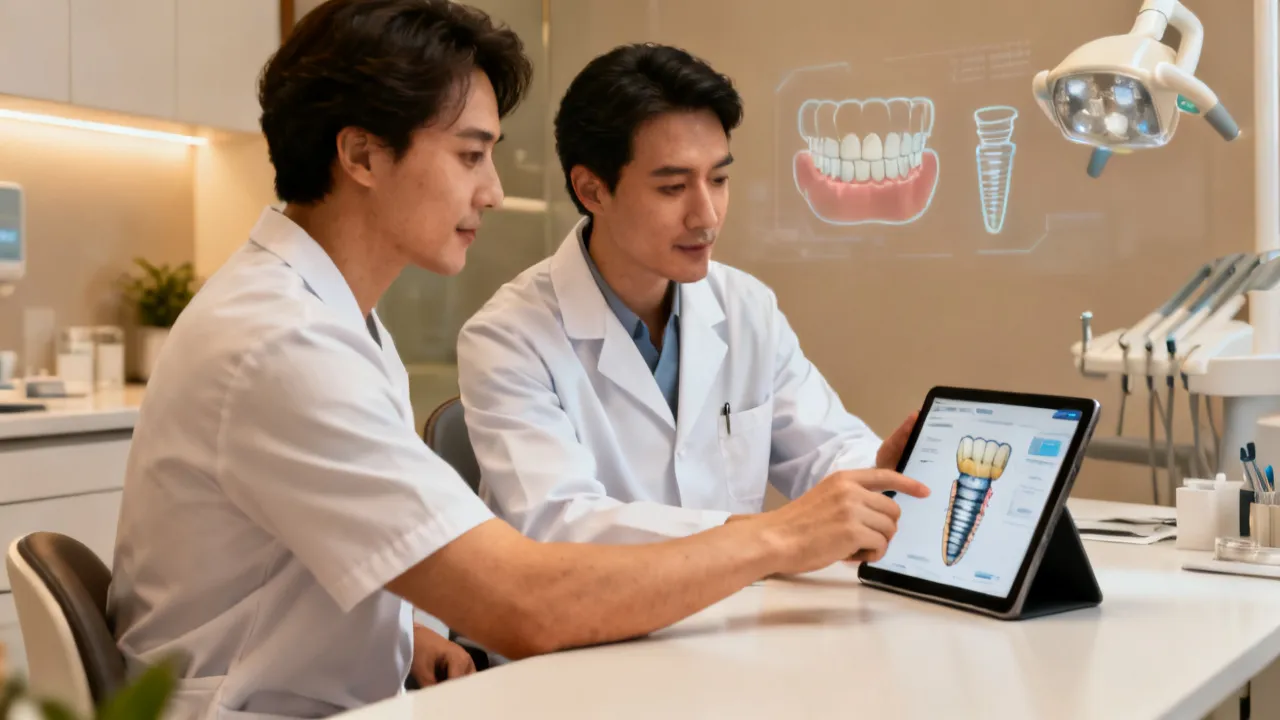
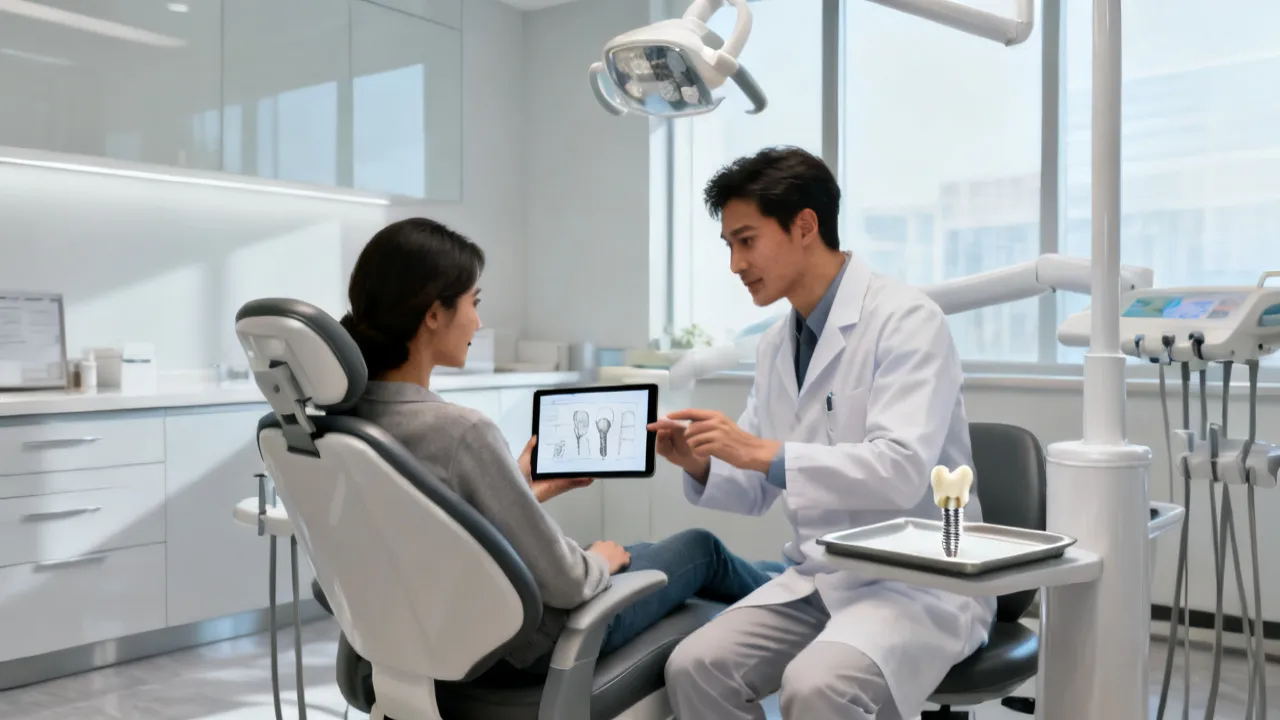
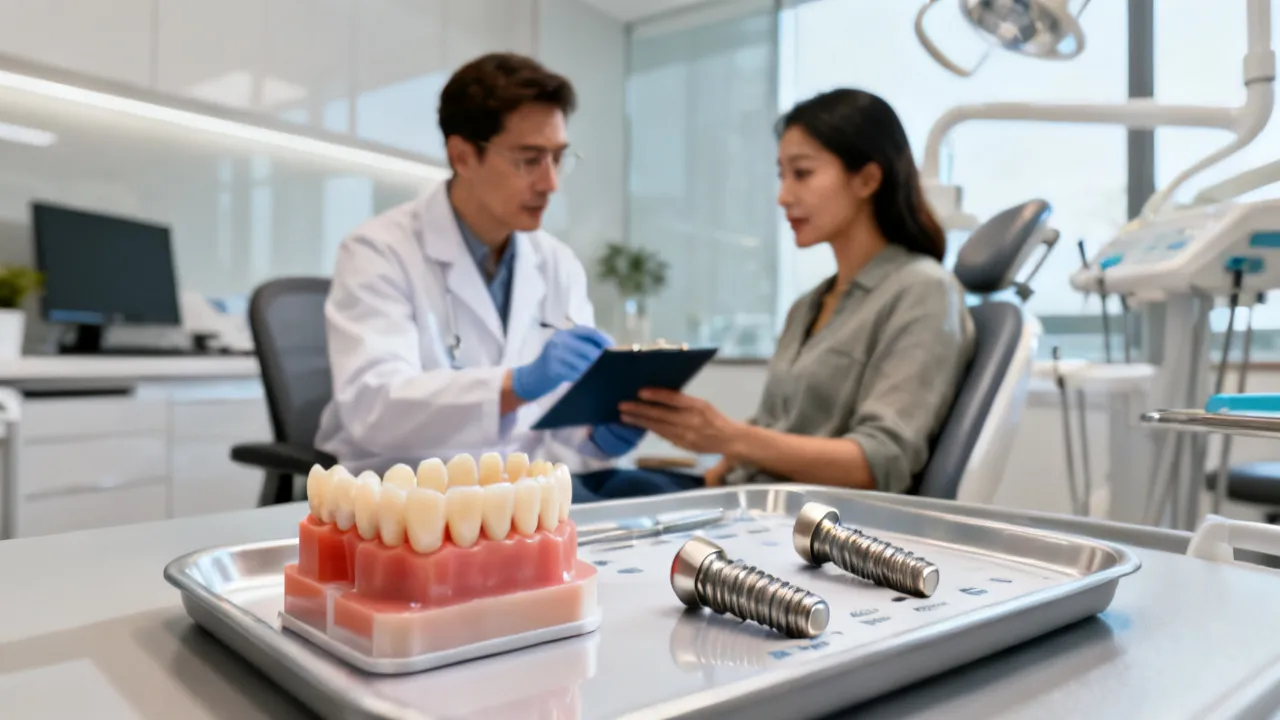
From a consumer standpoint, the safest way to interpret any “affordable” claim is to translate it into a clear breakdown of what is and is not included. Implant therapy is rarely a single “product.” Instead, it’s a multi-step treatment pathway that typically includes: clinical evaluation; imaging (often CBCT); treatment planning; implant placement surgery; healing and osseointegration (the bonding of bone to the implant surface); placement of an abutment; fabrication and placement of the final crown (or other prosthetic restoration such as a bridge or overdenture); and follow-up visits plus longer-term maintenance to preserve peri-implant tissue health.
When a clinic or an external service markets “Affordable Dental Implants,” the key question is not only “How low is the cost?” but also “What is the cost actually buying?” If the quote includes only surgery and excludes the final crown, or if it uses a lower-cost restoration material but doesn’t address durability and long-term expectations, the consumer may end up spending more to complete the case—or may face a higher risk of problems that require additional care.
Another important reality: the phrase “affordable” can also describe a payment structure rather than an overall reduced cost. Financing may allow monthly payments that feel manageable, even if the total amount paid over time is not dramatically cheaper. Similarly, insurance coverage may reduce out-of-pocket spending without making the implant itself “cheap.” That means affordability must be understood as total treatment value—the effective price for the full clinical outcome, including the components and follow-up needed for success.
To make things concrete, affordability pathways commonly look like this:
- Promotional programs: limited-time offers, discounted package pricing, or special promotions tied to specific appointment windows.
- Partial coverage via insurance plans: the plan may cover exams, X-rays, or portions of restorative work, while implants may be partially covered (or not covered) depending on plan rules.
- Bundled discounts through clinics: one “implant package” quote that may bundle imaging, placement, and a prosthetic restoration.
- Financing with reduced out-of-pocket payments: installment plans that spread payments, sometimes with promotional interest rates or deferred payment options.
- Cost reduction through dental tourism: clinical care is obtained abroad, with potential savings from local pricing differences, though travel and aftercare add complexity.
In short, “Affordable Dental Implants” usually means one of these financial routes. To decide whether it is truly affordable for your case, you must obtain a detailed scope of work and compare total cost and clinical inclusions, not just the first number you see.
2) Why dental implant pricing varies so widely
Dental implants are not a single standardized product that can be priced identically everywhere. Implant therapy is a coordinated sequence involving clinical evaluation, imaging, surgical placement, osseointegration (healing), and prosthetic restoration (often a crown, or sometimes a bridge or overdenture depending on the patient’s needs). Because it’s multi-step, pricing can vary widely based on many factors—some visible to patients and others embedded in technical and clinical details.
Patients often see a range of “implant prices” and assume the difference is purely profit or marketing. In reality, cost variation usually reflects differences in complexity, materials, diagnostic work, and how the clinic manages the whole process. Key drivers of price variation include:
- Clinical complexity: bone volume and density can vary significantly between patients. Some patients require bone grafting to increase available bone, a sinus lift for posterior upper jaw cases, or ridge augmentation. Cases can also differ in the number of implants required and whether immediate placement is feasible.
- Materials and prosthetic components: the implant system brand and design, the abutment type, and the final crown material influence cost. Crown options may include zirconia, metal-ceramic, or other systems. Laboratory and design costs also affect the final price.
- Imaging and diagnostics: CBCT scans are commonly used for precise planning, especially when bone anatomy must be evaluated. Some clinics include digital intraoral scans and may use treatment planning software and surgical guides, which can influence cost.
- Professional time and training: implant outcomes depend on accurate diagnosis and planning, as well as surgical and prosthetic collaboration. Surgeon experience and time spent on treatment planning can affect pricing.
- Overhead and geography: clinic operations differ by city and country. Rent, staffing models, and local pricing norms affect total cost even if clinical steps are similar.
- Financing/insurance structures: installment plans, negotiated insurance rates, and membership models can alter what the patient pays out of pocket even if the overall “clinical value” remains similar.
Accordingly, patients seeking low-cost dental implants should focus on total treatment value rather than a single line-item price. Two offers that appear similar in headline cost may have very different inclusions: one may include the crown and follow-up monitoring, while another may provide only the implant placement and leave the prosthetic stage to be priced separately—sometimes at a later date with less negotiation leverage.
From an expert decision-making perspective, the goal is not to find the cheapest possible price. The goal is to find the lowest effective cost for the specific clinical outcome you need. That means verifying which elements are included and whether those elements align with your clinical suitability and long-term maintenance requirements.
3) What low-cost dental implant pathways typically include
For Affordable Dental Implants searches, clinics and third-party service models often reduce costs through packaging, alternative service delivery, or financial structure. Common approaches include the following:
- Bundled “implant package” pricing: some clinics provide a predictable quote that bundles imaging, surgical placement, and a specified crown material. Bundling can make pricing more transparent for patients, but it also means patients must confirm exactly what the package includes (for example, whether bone grafting is included or “extra if needed”).
- Insurance-based reductions: in some healthcare systems and insurance markets, implants may not be fully covered, but other parts of the process might be partially reimbursed. A plan may reduce the patient’s overall out-of-pocket cost even if implants themselves remain a significant expense. For instance, educational resources such as American Dental Health Plans (ADHP) highlight how insurance structures can reduce patient spending when coverage is mapped strategically.
- Travel-supported affordability: dental tourism organizations coordinate consultations, scheduling, and comparisons across destinations where the same procedure may cost less. One example is DentaVacation, which focuses on affordability through overseas treatment planning. Importantly, patients should ask whether the quoted savings also account for travel logistics, time off work, emergency aftercare needs, and return visits.
- Clinic promotions: certain clinics run periodic offers tied to training programs, promotional schedules, seasonal demand changes, or limited appointment availability. Promotions may reduce cost, but they can also affect the timing and the level of personalized planning available.
- Specialized implant techniques: in certain cases, clinics may explore mini dental implants or alternative approaches aimed at reducing invasiveness. Mini implants are not universally cheaper in outcomes and maintenance, but in selected indications they can reduce surgical complexity. Suitability is patient-specific and must be determined clinically.
It’s also helpful to recognize what “low-cost packaging” sometimes omits. For example, a low-cost offer may exclude:
- CBCT imaging (and instead use standard radiographs)
- surgical guides or digital planning
- bone grafting or additional augmentation procedures
- temporary teeth during the healing phase
- restorative lab costs or certain crown materials
- comprehensive follow-up maintenance protocols
When you understand these potential exclusions, you can better interpret what affordability really means in practice.
4) Cross-region context: how “affordable implants” are discussed in major language markets
4.1 English-speaking countries
In English-speaking markets, cost discussions often emphasize transparency, patient education, and the “process” of implant therapy. For instance, Dental Views highlights low-cost dental implant information including the benefits of implant therapy, types of implant-related treatments, the implant process, and typical FAQs around pricing and expectations. The emphasis on education is important because cost is often misunderstood without knowing what steps are involved.
Meanwhile, Atlantic Dental Group operates as a full-service clinic model. In such models, implant offerings are often presented alongside routine and emergency services, and the patient experience—appointment scheduling, team information, and clinic operations—forms part of the cost/value equation. For patients, that can mean they’re not only paying for the procedure, but also for consistent local access and continuity of care.
In the United States and similar markets, insurance may be a major differentiator between “too expensive” and “manageable.” American Dental Health Plans (ADHP) focuses on insurance pathways that can reduce overall out-of-pocket spending—reinforcing that implants don’t always have to be “cheap” to become affordable in a meaningful sense.
4.2 Spanish-speaking countries
Spanish-speaking audiences often look for both clinical reassurance and practical affordability guidance. Rockville Dental Arts offers comprehensive services and emphasizes accessibility through a Spanish-language interface. Implant-specific education can be particularly relevant in these contexts because patients may compare affordability offers while still needing clarity on what components and stages are required for successful completion.
For implant education, Cigna provides an informational guide that helps readers understand different aspects of dental implants. A key value of such educational content is that it equips patients to evaluate whether an “affordable” offer addresses the full treatment need—not only the placement visit.
Additionally, Union City Mini Dental Implants represents a specialization angle by focusing on mini implants technology. In patient-facing messaging, the key objective view is to treat “mini” as an option with clinical indications—not as an automatic cheaper replacement for standard implant planning. In many cases, the “mini” approach might reduce certain costs because it can reduce surgical scope, but the final outcome, long-term maintenance, and prosthetic design must still meet the patient’s functional needs.
4.3 Portuguese-speaking countries (Brazil and Portugal)
In Portuguese-speaking contexts, affordability often appears alongside broader treatment planning and local clinic resources. Examples include Rubi Odonto (Santo André, São Paulo), which provides implant services among other specialties; Odontologia Velasco (São Paulo), which offers implants, prostheses, and aesthetic dentistry using contemporary technologies; and DentalVidas, which operates an oral health plan model with a network of dentists and emergency support.
From a patient’s perspective, these models can influence effective affordability because access to care is part of the economics. An oral health plan might reduce preventive and maintenance costs, while specialized clinics may streamline coordination between diagnostics, surgical treatment, and prosthetic work. Those factors can change the total cost of ownership (not just the initial implant placement price).
5) Industry-aligned decision criteria for patients seeking the lowest effective cost
An industry-aligned expert viewpoint is to treat “low-cost” as a clinical and financial optimization problem. Before accepting any Affordable Dental Implants claim, verify the following decision criteria. This prevents the common scenario where a quote looks low because it excludes the most important completion components.
- Scope of included treatment: Does the quote include imaging (often CBCT), implant placement, abutment, and the final crown/bridge? Are temporary restorations included if needed? In some cases, “affordable” quotes cover only the surgical implant stage, while the prosthetic stage may require additional payment.
- Material specifications: Which implant system is proposed? What type of abutment is planned (and is it included in the price)? Which crown material is planned? Are there warranty policies for components or workmanship?
- Timeline and follow-up: How are post-operative checks scheduled? Is there a documented maintenance plan? A successful implant outcome depends on follow-up and peri-implant tissue management, not only surgery.
- Clinical suitability: Is bone quality and quantity assessed? Is bone grafting indicated? How does the clinic handle peri-implant health risk factors such as periodontal disease, smoking, unmanaged diabetes, bruxism, or inadequate oral hygiene?
- Prosthetic outcomes: Will the clinician collaborate with a prosthodontist or restorative lab? How is occlusion and bite alignment managed to reduce excess stress on the implant?
- Complication handling: What happens if osseointegration is delayed or implant stability is insufficient? Are there protocols for re-evaluation, redesign, or corrective work? Understanding risk handling is critical when choosing the lowest effective cost.
When these points are clear, “low cost” becomes more than a price tag—it becomes a predictable treatment pathway. In contrast, when inclusions are vague, patients can unintentionally purchase incomplete care and later face additional costs at the most inconvenient time.
| Website focus (low-cost info) | What it tends to cover | Top fit for |
|---|---|---|
| Dental Views – Low Cost Dental Implants | Explains implant benefits, types of implant-related treatments, the implant process, common FAQs, and pricing-related guidance. | Patients comparing affordability concepts and building questions for consultations. |
| Atlantic Dental Group | Clinic service overview that typically includes implants alongside other routine and emergency services, plus appointment and team information. | Patients seeking a traditional local clinic experience with implant options. |
| DentaVacation | Dental tourism-oriented planning, cost comparisons, procedure options by destination, and travel arrangement support. | Patients considering overseas treatment to reduce overall expenses. |
| ADHP (American Dental Health Plans) – insurance guidance | Education on dental insurance plans, how coverage can reduce expenses, and how to navigate plan selection. | Patients whose top “affordable path” is insurance and structured benefits. |
| Rockville Dental Arts (Spanish version) | Comprehensive dental services presented in Spanish, including implants and emergency care; supports Spanish-speaking patient access. | Patients seeking clinic communication in Spanish while evaluating implant care. |
| Union City Mini Dental Implants (Spanish version) | Specialized focus on mini dental implants technology and case suitability messaging. | Patients exploring mini implant options as an affordability-driven consideration (only if clinically appropriate). |
| Cigna – Guide to Dental Implants (Spanish) | Educational explainer designed to help users understand implant treatment components and decision factors. | Readers who want objective implant background before price comparisons. |
source: [www.dentalviews.com](https://dentalviews.com/low-cost-dental-implants/) | [www.atlanticdentalgrp.com](https://www.atlanticdentalgrp.com/) | [www.dentavacation.com](https://www.dentavacation.com/) | [rockvilledentalarts.com/es](https://rockvilledentalarts.com/es/) | [rockvilledentalarts.com/es](https://rockvilledentalarts.com/es/) | [unioncityminidentalimplants.com/es](https://unioncityminidentalimplants.com/es/) | [www.cigna.com/es-us/knowledge-center/guide-to-dental-implants](https://www.cigna.com/es-us/knowledge-center/guide-to-dental-implants)
Note: The links above are provided as the sources of the summarized focus areas presented in the table.
6) How to get dental implants at low cost in English-, Spanish-, and Portuguese-speaking countries (step-by-step)
This practical roadmap is designed to help patients move from interest to an actionable, budget-aligned plan—without relying on marketing ambiguity. “Affordability” becomes achievable when you systematize the decision process and demand the same information in every quote. That way, your budget decisions are based on comparable scopes and comparable clinical outcomes.
Step 1: Translate “affordable” into a concrete inclusion checklist
Before you compare offers, ask any provider (clinic, insurer, or tourism coordinator) for a written breakdown of inclusions. A strong written breakdown is what allows you to compare apples-to-apples. Ask for the following items, and ask how they are priced when they are not included:
- Imaging (CBCT or alternatives), including where and when it is performed
- Surgical visit (implant placement)
- Abutments (type and number)
- Final crown/bridge (material type, design, and lab involvement if applicable)
- Temporary restorations (if applicable)
- Medications and post-operative follow-ups (prescriptions, checkups, and any standard post-op meds)
- Maintenance/prosthetic review schedule (what is included in follow-up and what is not)
If possible, ask for a one-page summary or “treatment receipt” listing each component with a cost. If the provider cannot provide this breakdown, you may want to consider it a red flag—because it becomes difficult to predict true total cost later.
Step 2: Confirm clinical suitability before comparing offers
For patients who want the lowest cost, suitability matters because the lowest-priced option may not be usable for your biology or anatomy. Common “fit” checks include:
- Bone volume and density assessment (often based on CBCT)
- Oral hygiene readiness and periodontal health (stability of gums and absence of active periodontal disease)
- Occlusion/bite assessment (how forces travel when you chew)
- Health factors such as diabetes control and smoking status (risk management and readiness for surgery)
Suitability is also influenced by infection control and compliance. For example, if you have chronic gum inflammation or uncontrolled risk factors, the “low-cost implant package” might become more expensive once treatment must be corrected first (for instance, periodontal therapy) or if additional procedures become necessary.
Step 3: Request standardized quotes from at least 2–3 providers
To compare effectively, request the same scope of care and restoration type. You want each quote to represent the same clinical endpoint. If one quote omits an item that another includes, the “low-cost” option may actually be more expensive overall once missing components are added.
A helpful way to standardize is to ask for:
- Same restoration type (e.g., single crown on implant vs. multi-unit bridge)
- Same crown material category (at least “zirconia” vs “metal-ceramic” etc.)
- Same imaging protocol (e.g., CBCT included or not)
- Same follow-up schedule for peri-implant checks
- Same assumptions about bone grafting (either included with clear criteria or quoted as “if needed”)
When you compare quotes, do it line-by-line. Do not only compare a single total number. A quote with fewer line items might appear cheaper but may postpone key payments until later.
Step 4: Use insurance and plan networks where applicable
In insurance-forward markets, dental coverage may not always fully cover implants, but it can reduce overall out-of-pocket costs or cover parts of the process. Sometimes coverage is applied to diagnostic services, periodontal treatment, or specific restorative steps (depending on the plan). For example, resources such as ADHP show how insurance planning can help patients identify beneficial coverage structures and better predict out-of-pocket spending.
If you use insurance, ask:
- What parts of implant therapy are covered under my plan?
- Is there a network provider requirement?
- What is the expected reimbursement schedule?
- What are my deductibles, annual maximums, and waiting periods?
Even if implants are partially covered, many patients can improve affordability by ensuring any covered prerequisites (like periodontal stabilization or certain diagnostics) are completed efficiently and documented properly.
Step 5: Consider financing rather than assuming affordable cost
Many clinics offer installment plans. While financing does not automatically make implants cheaper, it can make implants affordable by aligning payments with your budget and reducing immediate financial stress. Always ask about:
- Total cost with interest (if any)
- Down payment requirements
- What happens if treatment timing changes (e.g., delayed healing or postponed prosthetic fabrication)
- Whether there are penalties for early repayment
Financing plans can sometimes be structured so you pay less “up front,” which is what many people mean when they say implants are affordable. However, the best affordability decision includes both total cost and payment schedule.
Step 6: Evaluate dental tourism options carefully (if you consider them)
Dental tourism can reduce costs for some patients, but it introduces logistical and medical variables. Travel time can delay follow-up visits, and complications may require extra visits that are not part of the initial package. If you consider international treatment, a planning approach is essential. DentaVacation is an example of a platform designed to help patients plan overseas affordability through procedure comparisons and travel arrangement support.
Regardless of the organizer, patients should request a clear set of documentation and aftercare arrangements:
- Clear total price including aftercare (not only the surgical package)
- Post-treatment follow-up plan at home (who will monitor healing and prosthetic integration)
- How complications are handled and who covers corrective work
- Documentation: treatment plan, implant model details, prosthetic specifications, and any warranties
- Timeline clarity: how many days in the destination and what steps occur during that window
Also consider the practical reality: if you live far away, follow-up and peri-implant maintenance are vital. A “cheap” implant is only truly affordable if you can complete the long-term care needed for stability and tissue health.
Step 7: Maintain the good plan (implant success is not a one-time purchase)
Low-cost implants still require durable maintenance. Your implant success depends on consistent hygiene, periodic professional cleanings, and monitoring of peri-implant tissues. Ask for a maintenance plan that matches your risk profile. A well-designed plan may include professional cleanings at appropriate intervals, individualized oral hygiene instruction, and periodic checks for inflammation.
When clinics prioritize peri-implant health, the “good plan” cost often becomes more predictable. Maintenance may cost money, but it can prevent more expensive interventions later, such as replacement of failing restorations or correction of complications.
7) Cost ranges for individual dental implants (by country, by language market where applicable)
The following ranges are presented as reference benchmarks for single implant-related costs in each country. Exact pricing varies widely due to clinical complexity, the chosen prosthetic component, diagnostic protocol, and provider pricing policies. Therefore, these ranges should be treated as broad guidance, not as guarantees.
| Country | Currency | Price range (individual implant) |
|---|---|---|
| United States | USD ($) | $3,000 - $6,000 |
| United Kingdom | GBP (£) | £2,000 - £2,500 |
| Australia | AUD (AU$) | AU$3,500 - AU$6,500 |
| Canada | CAD (CA$) | CA$3,000 - CA$5,500 |
| Spain | EUR (€) | €1,500 - €2,500 |
| Chile | CLP (CLP$) | CLP$800,000 - CLP$1,500,000 |
| Mexico | MXN ($) | $15,000 - $25,000 |
| Colombia | COP (COP$) | $2,000,000 - $4,000,000 |
| Peru | PEN (S/) | S/ 3,000 - S/ 6,000 |
| Argentina | ARS ($) | $80,000 - $150,000 |
| Brazil | BRL (R$) | R$3,000 - R$8,000 |
| Portugal | EUR (€) | €1,000 - €2,000 |
| Germany | EUR (€) | €2,000 - €3,500 |
| France | EUR (€) | €1,500 - €2,500 |
| Italy | EUR (€) | €1,500 - €3,000 |
| Japan | JPY (¥) | ¥300,000 - ¥700,000 |
Practical note: If a clinic offers “low-cost” implants, confirm whether the quote includes the final crown. In many markets, the implant placement and the prosthetic restoration are quoted together as a package; in others they may be separated. That difference can make two offers look similar while being meaningfully different in total cost.
Also consider that a single implant cost may not reflect your full treatment needs if your case requires additional procedures such as bone grafting, sinus lift, or periodontal therapy prior to placement. Therefore, the “individual implant” range should be interpreted as a component of a broader plan rather than the final number you will pay.
8) Mini implants and other specialized approaches: where low-cost claims fit
Some providers promote specialized implant systems (for example, mini dental implants) as a way to reduce procedure scope. Union City Mini Dental Implants, for example, emphasizes mini implant technology, typically in the context of cases where a smaller treatment footprint may be appropriate.
From an expert viewpoint, affordability should never override clinical appropriateness. Mini implants may be suitable for certain indications, but they are not a universal replacement for standard implants. Patients should treat mini implants as an option whose value depends on anatomy, loading conditions, bone quality, and restoration plan.
When considering specialized approaches, patients should ask:
- What diagnostic findings support mini implants for this case? (For example, bone conditions, available space, and prosthetic design needs.)
- What are the expected longevity and maintenance considerations?
- Will the prosthetic design deliver the required stability and load distribution?
- What is the expected risk profile compared with standard implant options?
- If mini implants are not suitable, what alternative plan would the clinic propose and how would the costs change?
One reason low-cost claims can be misleading is that patients may interpret “mini” as inherently cheaper without considering what must be purchased for a complete and durable restoration. A restoration that requires additional work, frequent maintenance, or eventual replacement can erode the affordability advantage. Therefore, any low-cost strategy must be evaluated based on the expected total pathway and the predicted quality of the final prosthetic outcome.
9) FAQs about affordable implants and “Affordable Dental Implants” searches
Q1: Are Affordable Dental Implants actually affordable?
A: In many cases, “Affordable Dental Implants” refers to promotions, partial coverage, bundled discounts, or alternative affordability pathways such as insurance structures, financing, or travel. To determine real affordability, always request a written scope of what is included and what is not. If the included scope is unclear, the true affordability may not be verifiable.
Q2: What’s usually included in a low-cost dental implant package?
A: Packages vary. Many include diagnostics/imaging, implant placement, an abutment, and the final crown. Less common inclusions may include surgical guides, bone grafting (if needed), sedation, and maintenance follow-ups. Because needs differ by patient, always ask how extras are priced when they become necessary.
Q3: How can insurance help with implant costs?
A: Dental insurance may cover certain components or related services, depending on the plan. Insurance guidance resources such as ADHP can help patients understand coverage pathways and how to select or use plans in ways that reduce out-of-pocket costs. Even when implants are not fully covered, coverage might apply to necessary prerequisites or restorative services.
Q4: Is dental tourism a reliable way to reduce implant costs?
A: It can reduce expenses for some patients, but reliability depends on documentation, aftercare planning, clear complication management, and the ability to follow up with a qualified clinician at home. Use structured comparison and ask for written total-cost breakdowns. Platforms such as DentaVacation emphasize planning and cost comparisons, but the patient must verify clinical specifics and the aftercare plan.
Q5: Why do two clinics quote very different prices?
A: Differences often reflect case complexity, the implant and crown components used, diagnostic imaging requirements, the prosthetic plan, and how follow-up care is handled. A “lower” price may exclude components essential for completion, such as the final crown or required surgical adjuncts (grafts, sinus lift, guided surgery).
Q6: How do I compare offers without getting misled?
A: Request standardized quotes with the same scope (implant + abutment + crown), similar restoration material category, and the same follow-up plan. Then compare clinical indications and included services—not only the headline price.
Q7: What questions should I ask during a consultation?
A: Ask about (1) suitability based on imaging, (2) whether bone grafting is expected, (3) the planned implant system and crown type, (4) the healing timeline and number of visits, (5) the warranty policy, and (6) how complications are handled if osseointegration or stability is delayed.
Q8: What are the good responsibilities after implantation?
A: Good success depends on hygiene, regular professional maintenance, and monitoring of peri-implant tissues. Patients should follow a schedule for checkups and cleanings, adhere to home-care instructions, and address gum health issues promptly to reduce the risk of inflammation.
Q9: Are mini implants cheaper?
A: Mini implants may be less expensive in certain cases because the procedure can be less invasive. However, the best measure is total treatment value—what is included, how durable the restoration is expected to be, whether long-term maintenance is feasible, and how the implant type fits your clinical situation.
10) Suggested “low-cost” checklist for patients planning next steps
- Obtain a written breakdown of total cost and what is included.
- Ensure imaging and diagnostic results are reviewed for suitability.
- Confirm implant and prosthetic component specifications.
- Compare timelines and follow-up obligations.
- Ask how aftercare is handled if you live far away or travel.
- Verify warranty and complication policies in writing.
If you want the most cost-effective path, you should also ensure you’re comparing the same endpoint: the final crown or restoration, not just the implant surgery. The “implant” is only one part of the outcome. Your affordability strategy should cover the full sequence required to restore function, aesthetics, and long-term oral health.
Disclaimer
1) The above information comes from online resources, and the data is as of October 2023. 2) Dental implant prices are for reference only and may vary by region, clinic and doctor.
References (links used in this article)
https://dentalviews.com/low-cost-dental-implants/
https://www.atlanticdentalgrp.com/
https://www.dentavacation.com/
https://rockvilledentalarts.com/es/
https://unioncityminidentalimplants.com/es/
https://www.cigna.com/es-us/knowledge-center/guide-to-dental-implants
https://www.rubiodonto.com.br/
https://odontologiavelasco.com.br/
https://dentalvidas.com.br/
-

A Guide to Cost-Efficient Small Electric Cars for Seniors
-
Mastering Debt Consolidation: Boost Your Credit Score and Manage Interest Rates
-
Your Guide to Loans, Credit Checks, and Interest Rates
-
Affordable Independent Living: Finding the Right Senior Housing
-
Guide to Senior Living Apartments: Affordable and Comfortable Environments